
The Real Costs of Traveling the World
Traveling the world might sound expensive, but it doesn’t have to break the bank. From flights to food, here’s a breakdown of the real costs of exploring the globe and how to make it work for your budget.
Flights: Timing Is Everything

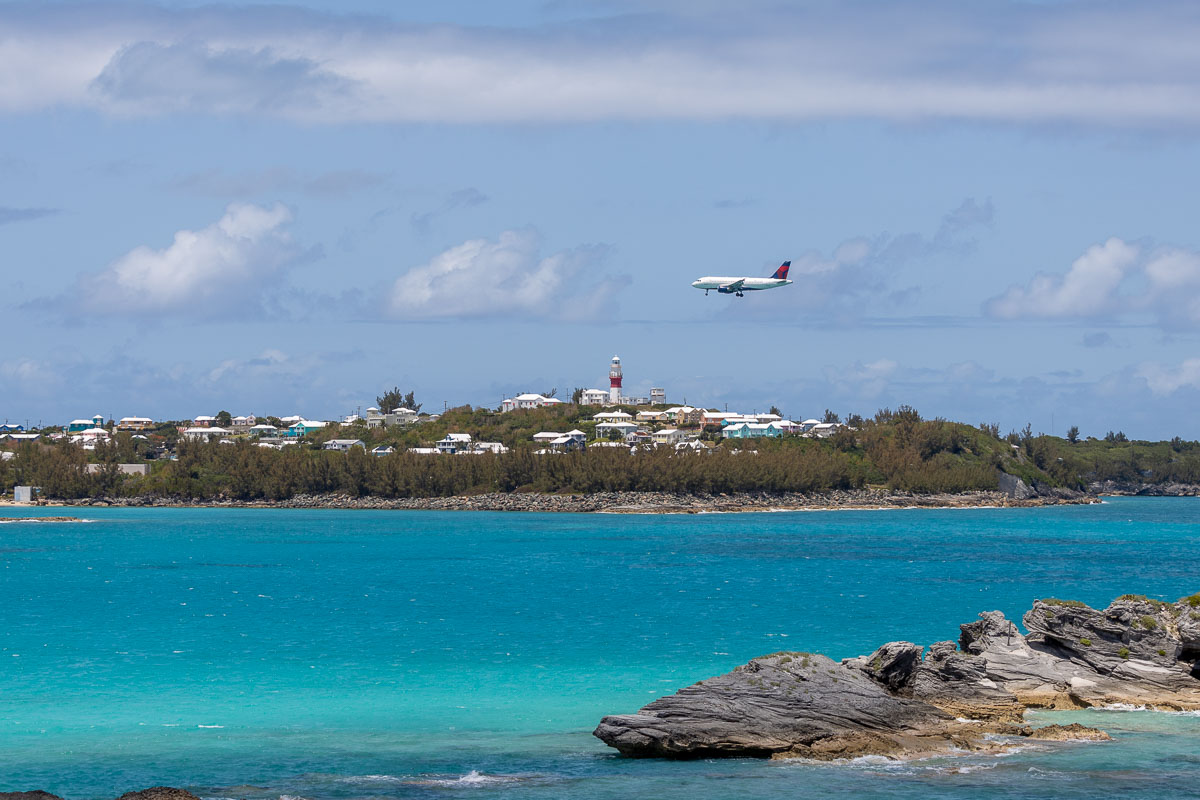
Your plane ticket will likely be one of the biggest upfront expenses. The secret to saving? Flexibility. Use tools like Skyscanner or Google Flights to compare prices and set alerts. Flying midweek, opting for budget airlines, or booking during off-peak seasons can significantly cut costs. Don’t forget to check nearby airports—a short train ride could save hundreds.
Accommodation: From Budget to Bougie

Accommodation can range from $10 a night in a hostel to $500+ at luxury resorts. For long-term travelers, options like guesthouses, homestays, and Airbnb rentals often strike the right balance between comfort and cost. If you’re feeling adventurous, try house-sitting or work exchanges for free stays. Pro tip: Staying longer in one spot often gets you a discount.
Food: Splurge on Local Delicacies

Food can be a huge part of your budget—but it’s also where you can get creative. Hit up local markets, street food vendors, or small family-run restaurants instead of touristy spots. Cooking your own meals can save you even more if you have access to a kitchen. Don’t shy away from splurging occasionally—some meals are worth every penny.
Transportation: Think Local

Getting around can vary widely in cost. Public transportation is often the cheapest way to explore a city, while buses and trains are great for regional travel. Long-term travelers might find it worth renting or buying a scooter or car. Apps like Rome2Rio can help you compare options and find the most budget-friendly routes.
Activities: Choose Wisely

Not every experience has to come with a hefty price tag. Many destinations offer free or low-cost activities like hiking, beach days, or exploring local markets. Save splurges for bucket-list experiences, like scuba diving or guided tours. Researching ahead can help you find deals and avoid overpriced tourist traps.
Travel Insurance: The Non-Negotiable
Travel insurance might feel like an extra cost, but it’s a must-have. From medical emergencies to canceled flights, it’s your safety net for the unexpected.
Visas and Fees: Plan Ahead
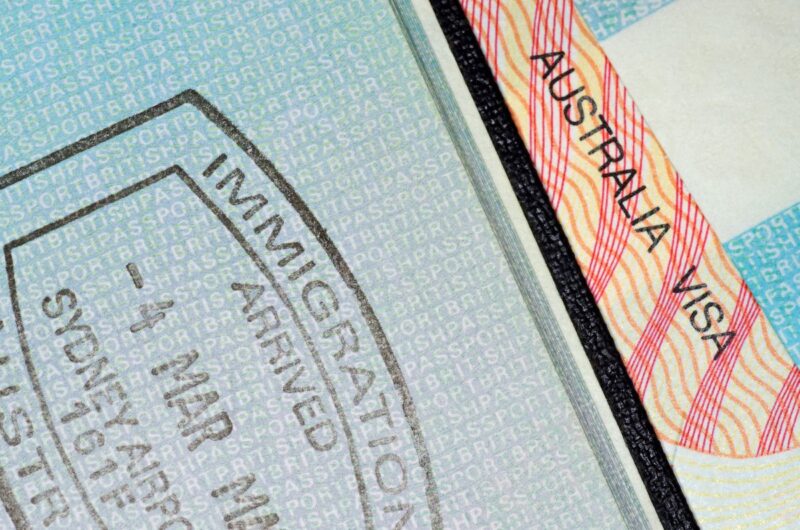
Some destinations require pricey visas or entry fees, while others are free. Research visa requirements before you book to avoid surprises. Keep an eye out for reciprocal fees based on your nationality, and budget accordingly. It’s worth setting aside extra cash for these often-overlooked expenses.
Unexpected Costs: Be Ready

Travel always comes with surprises. From last-minute taxis to replacing a lost phone charger, it’s wise to have a small emergency fund. Budgeting 10-20% extra for the unexpected can save you from stress later. And yes, travel insurance often comes to the rescue for bigger issues.
How to Budget for Long-Term Travel

Budgeting for a longer trip means thinking about monthly expenses rather than daily ones. Track spending with apps like Trail Wallet to stay on top of your finances. Allocate funds for essentials first—transportation, accommodation, and food—then divide the rest between activities, insurance, and savings. A little planning goes a long way.
Traveling the world doesn’t require a trust fund. With smart planning and a flexible mindset, you can make your travel dreams a reality without draining your bank account. Know your priorities, do your research, and don’t forget the travel insurance—it’s worth every penny.
