The Easiest EU Countries to Live in Legally (Beyond a 90-Day Tourist Stamp)
If you’re sick of the 90 days in / 90 days out Schengen hamster wheel, welcome.
There are EU countries where an actual visa is realistic for a U.S. citizen, and where “I want to live here for years” is not a wild idea. You just need to stop thinking like a tourist and start thinking like a resident.
Below is a no-fluff rundown of some of the easier EU countries to live in legally (as in: real residence permits, clear-ish rules, and paths to long-term stay, sometimes even citizenship).
What “Easy” Actually Means in EU-Bureaucracy World
“Easy” does not mean:
- No paperwork
- No income
- Just vibes at passport control
In EU-speak, “easy” looks more like:
- A visa category that actually exists for people like you (remote worker, retiree, financially independent)
- Requirements you can realistically meet
- A path where several years of legal residence can add up to permanent residency or even citizenship
Under EU rules, many third-country nationals can qualify for long-term resident status after five years of legal residence in one member state, if they meet integration, income, and absence limits. That long-term status often comes after you’ve had a national permanent residence permit first.
So the game is:
- Get into a realistic residence visa.
- Keep renewing it and actually living there.
- Use those years to unlock permanent residency or citizenship.
Let’s talk about where that’s most doable.
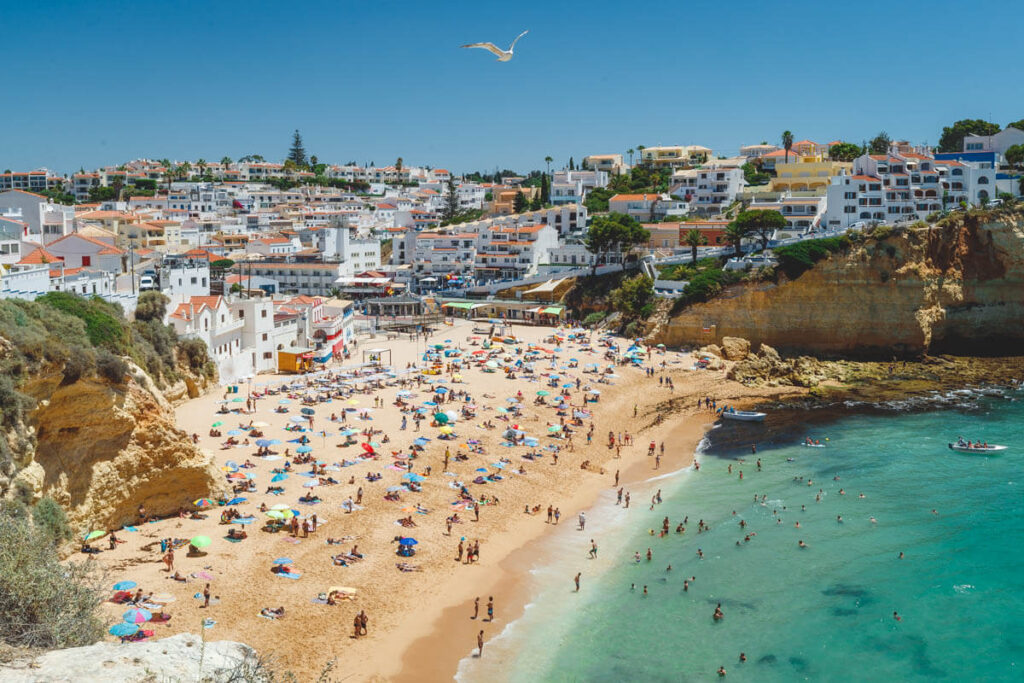
Portugal: D7 and D8 for Remote Workers and Passive Income People
Portugal is still one of the easiest “I want a real EU life” options for Americans.
Main visas:
- D7 Passive Income Visa – for pensions, rental income, investments and sometimes other stable income streams.
- D8 Digital Nomad Visa – for remote workers and freelancers with solid monthly income from outside Portugal.
Rough idea of requirements:
- D7: published minimum is around the Portuguese minimum wage per month in passive or recurring income (guides put it at roughly €870+ per month), but many consulates like to see more.
- D8: around €3,000–€3,500 per month in remote-work income, plus housing, clean record, health insurance.
Pathway:
- You start with a visa that becomes a 2-year residence permit, then renew for three more years.
- After five years of legal residence, you can usually apply for permanent residency or Portuguese citizenship, if you meet stay requirements and pass a basic Portuguese exam.
Spain: Non-Lucrative and Digital Nomad Routes
Spain is another heavy hitter if you want sun plus a real residency card.
Key options for Americans:
- Non-Lucrative Visa (NLV): live in Spain using your own funds or passive income. No local job.
- Digital Nomad Visa: for remote workers with a contract or freelance clients outside Spain.
For the Non-Lucrative Visa, you need to show:
- At least 400% of Spain’s IPREM per year as income or savings. Current guides put that at about €31,000–€36,000 per year for the main applicant, plus more for dependents.
Pathway:
- Residence permits build in 1–2 year chunks.
- After five years, you can normally apply for long-term or permanent residence.
- After ten years of legal residence, many people can apply for Spanish citizenship, if they meet integration and stay rules.
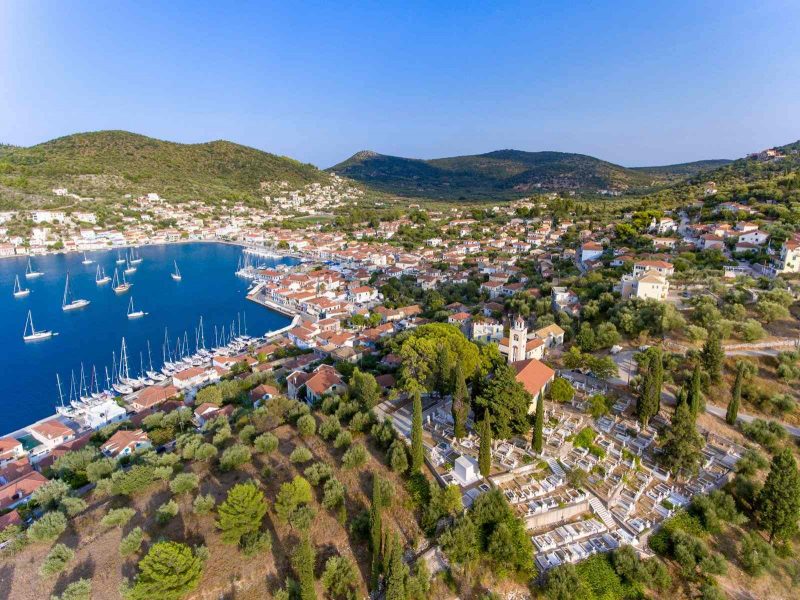
Greece: Financially Independent and Digital Nomad Friendly
Greece has two interesting paths if you can support yourself:
- Financially Independent Persons (FIP) / sufficient means permit
- Digital Nomad Visa
The FIP permit is for people who can show steady income or large savings and who will not work in Greece. It usually requires:
- Proof of significant monthly income from abroad (recent guides put this around €2,000–€3,500+ for the main applicant, depending on which law version you’re under).
The Digital Nomad Visa:
- For remote work income generated outside Greece.
- Starts as a one-year visa that can be converted into a residence permit and renewed.
Pathway:
- These permits can be renewed repeatedly if you keep meeting the financial rules.
- After several years (often five to seven of legal residence), you may qualify for long-term resident status or citizenship, if you meet stay and integration requirements.
Italy: Elective Residence for Slow-Life Superfans
Italy’s Elective Residence Visa is made for people who want to live there long-term without working locally.
Basics:
- You must show reliable passive income or substantial savings, often quoted in the €31,000–€35,000+ per year range for one person, higher for couples.
- You need a lease or property in Italy, health insurance, and a letter explaining why you want to move.
- You are not allowed to work in Italy on this visa.
Pathway:
- Visa lets you enter Italy and apply for a residence permit.
- Residence permits are renewed if you still meet the income and stay conditions.
- After about five years of legal residence, you can typically apply for permanent residence.
- After about ten years of residence, you can often apply for Italian citizenship through naturalization.
Croatia: Digital Nomad Foothold and Longer-Term Options
Croatia is in the EU, uses the euro, and has its own Digital Nomad Residence Permit.
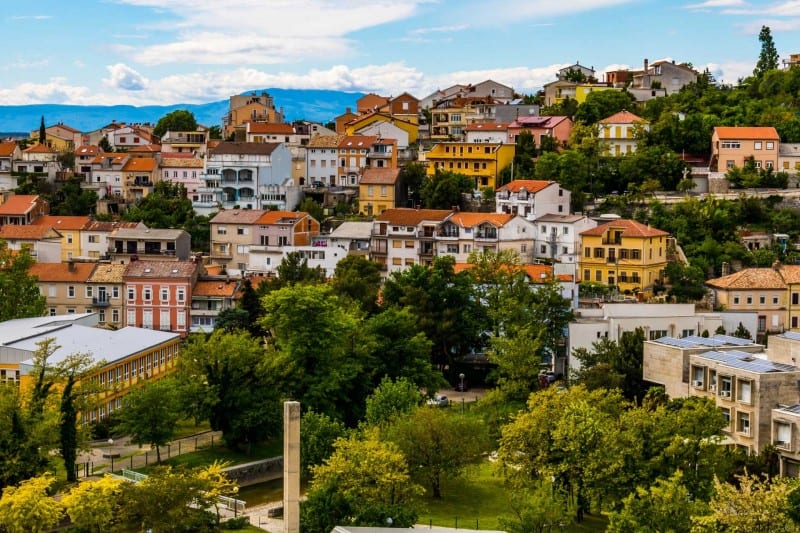
Highlights:
- Lets non-EU remote workers live in Croatia for up to 18 months while working for foreign employers or clients.
- You need proof of remote income, accommodation, health insurance, and a clean record.
Important nuance:
- The digital nomad permit itself does not count as a direct path to permanent residence.
- To build toward long-term or permanent residency, you usually need to switch into another type of temporary residence and rack up about five years of continuous legal stay.
So Croatia is great if you:
- Want a legal, medium-term base in the EU
- Are open to later transitioning into a different residence route
Malta: English-Speaking EU Base With a Nomad Permit
If you want an English-speaking country in the EU, Malta’s Nomad Residence Permit is worth a look.
Basics:
- Designed for remote workers, freelancers, and business owners with clients outside Malta.
- Requires minimum gross income of €42,000 per year (about €3,500 per month).
- You must have accommodation, health insurance, and a clean background.
It gives you:
- A one-year residence permit, renewable if you still qualify.
- Schengen access while based in a small island country where pretty much everyone speaks English.
Pathway:
- Time on this permit can position you to later apply for other Maltese residence routes and eventually long-term EU residence, if you transition into a more permanent title and hit the five-year legal residence mark.
- You can also try to get a trade license in Malta.
How These Visas Turn Into Permanent Residency or Citizenship
Across the EU, the pattern looks like this:
- Most of these visas give you temporary residence first.
- After around five years of legal, continuous residence, you can often apply for some form of permanent residence or EU long-term resident status, if you meet language, integration, and stay rules.
- After that, many countries let you apply for citizenship once you hit their national timeline:
- Portugal: often 5 years
- Spain: often 10 years
- Italy: often 10 years
- Greece: often 7+ years
Fine print:
- Time on short-stay visas or pure student visas often doesn’t count the same way, or at all.
- You usually have to limit how long you’re outside the country each year for it to count as “continuous residence.”
How to Pick the “Easiest” EU Country For You
“Easiest” depends on your situation, not some generic list.
Ask yourself:
- What’s my monthly income, and is it active or passive?
- Do I want to work remotely, or truly retire / live off investments?
- How fast do I care about citizenship, if at all?
- Do I actually want island life, big city, or small town?
Then match it:
- Good passive income and “slow life” dreams? → Italy or Spain non-lucrative.
- Remote worker with strong income and EU dreams? → Portugal, Spain, Greece, Malta.
- Want an EU base without classic Western European prices? → Croatia as a foothold, maybe combined with later routes.
None of these are zero-effort, but they are realistic for a U.S. citizen who plans, saves, and can handle some paperwork. And that already puts you ahead of most people who think the only option is a 90-day Schengen stamp and vibes.
