

The Countries Where Healthcare Won’t Financially Ruin You
If the U.S. healthcare system gives you hives emotionally and financially, you are not alone.
One of the biggest unlocks of moving abroad is realizing that in a lot of countries, a doctor visit doesn’t cost more than your rent. And yes, the care is often good. Sometimes excellent. The trick is picking places where expats consistently report affordable, decent care and understanding how to plug into the system in Year One.
Here are a few countries where healthcare is dramatically less painful, what you actually pay for a GP or ER visit, and how Americans usually set up coverage when they land.
First: how expats actually use healthcare abroad
Quick reality check before we country-hop:
- Most expats mix public + private in some way.
- Year One often looks like:
- Public system (if your visa lets you enroll)
- Plus local private insurance for faster access
- Or an international expat plan as a bridge while you sort your life out
You’re usually not paying $300 just to say hello to a doctor. Think more like $20–$80 for a GP visit in many countries, and a few hundred for an ER visit instead of “please swipe your life savings.”
Now, some specific favorites.
Portugal: EU care without U.S. pricing
Portugal is popular for a reason, and healthcare is a big part of it. Residents can access the SNS public system, and expats often add a cheap private plan on top for faster appointments.
Typical costs:
- Private GP visit: around €40–€100 if you just walk in and pay cash.
- Private ER visit: roughly €150–€300 in many cases.
- Private insurance: many expats pay about €30–€100/month, depending on age and coverage, and then pay reduced copays when they use private hospitals.

How Americans set up Year One:
- If you have a residence visa, you register for the public system at your local health center and get a utente number.
- Then you grab a local private plan so you’re not waiting forever for non-urgent stuff.
For a good, practical overview, check out this expat-oriented guide to Portugal’s healthcare system for foreigners.
Spain: public system backbone, private for speed
Spain’s public healthcare is tax-funded and really good for legal residents. Many expats still add private insurance for faster access and English-speaking doctors.
Typical costs:
- Public care: free or very low cost for residents in the system.
- Private GP visits: often in the €40–€80 range if you pay out of pocket, depending on city and clinic.
- Private health insurance: widely used, especially for digital nomad / non-lucrative visa folks, with plans priced competitively compared to U.S. premiums.
How Americans set up Year One:
- If you’re on a visa that requires private insurance (like the non-lucrative visa), you start with Spanish private insurance from day one.
- Once you’re working locally or paying into the system, you can often get into the public scheme, then decide whether to keep private as a top-up.
This breakdown of healthcare in Spain for expats is a good place to start.
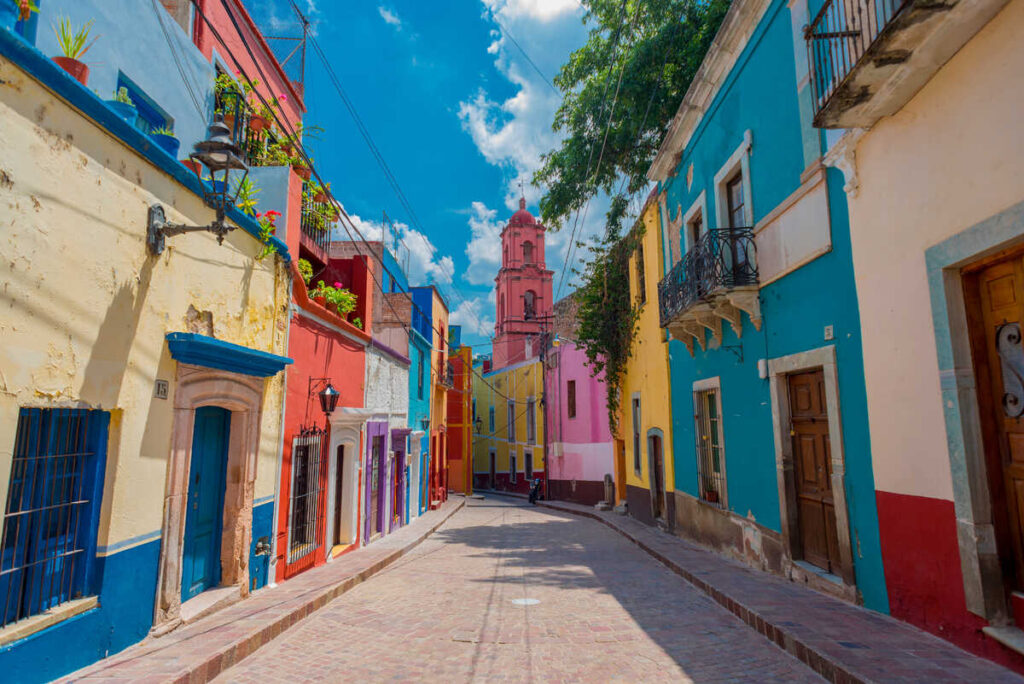
Mexico: cheap out-of-pocket + local insurance options
If you want to stop paying $250 to be told “it’s probably just stress,” Mexico will be a pleasant shock.
Typical costs:
- Standard doctor visit: often around 400–1,000 pesos (roughly $20–$55), depending on city and clinic.
- Private ER visits: recent expat-focused guides quote around $200–$800 USD at private hospitals, depending on severity.
How Americans set up Year One:
- Many people pay cash for routine stuff because it’s that cheap, then carry either:
- Local private insurance
- Or an international expat plan for bigger emergencies
- Once you’re a temporary or permanent resident, you may be able to enroll in the public IMSS system, paying an annual premium for coverage.
For a solid overview of costs and coverage choices, see this guide to healthcare and medical costs in Mexico.
Costa Rica: public “Caja” plus very affordable private care
Costa Rica has that famous Caja public system and a surprisingly affordable private side. A lot of expats blend both.
Typical costs (private):
- Regular doctor’s visit: around $60–$75 USD.
- Specialist: roughly $80–$100+.
Compared to U.S. pricing, labs, imaging, and meds can easily be half or less of what you’d pay at home.
How Americans set up Year One:
- If you get residency, you’re required to join Caja (the public system) and pay monthly contributions based on income.
- Most expats also keep private insurance or just pay private cash rates for faster access and English-speaking doctors.
This walkthrough of healthcare and insurance in Costa Rica shows how people actually combine Caja with private care.
Thailand: excellent hospitals, prices that don’t make you cry
Thailand is where you start to question every bill you’ve ever seen in the U.S. The big private hospitals in Bangkok, Chiang Mai, etc., are modern, efficient, and used to foreign patients.
Typical costs:
- Private GP consultation: usually ฿500–1,500 (about $15–$45) at private hospitals and clinics.
- Public hospitals are cheaper (as low as ฿50–500, or $1–$15), but slower and more crowded.
Even dermatology, dentistry, and more complex care can be a fraction of U.S. prices, which is why medical tourism to Thailand is a whole industry.

How Americans set up Year One:
- Long-stay folks often buy local private insurance or an international plan that’s recognized by the big private hospitals.
- Some visas (like certain retirement options) require proof of health insurance or specific balances in a Thai bank, so you end up planning healthcare along with your visa strategy.
For more context on what you’ll actually pay, this breakdown of doctor consultation costs in Thailand is very clear.
How to set up “not terrifying” healthcare in your first year abroad
A simple way to think about it:
- Pick the country first, then the visa, then the healthcare plan.
Your visa type often decides whether you can use the public system, need private insurance, or both. - Use local costs to your advantage.
In countries like Mexico, Thailand, and Costa Rica, it can make sense to:- Pay cash for routine GP visits and basic labs
- Carry insurance mainly for emergencies and big stuff
- Get one solid Year One plan, then optimize.
A lot of Americans:- Start with an international expat or travel medical plan while they’re in limbo
- Once they’re settled with a residence permit, they switch to:
- Public + local private in Europe
- Public + occasional private in Costa Rica
- Or mainly private/local coverage in Mexico and Thailand
- Always sanity-check official sources before you commit.
These numbers are ballparks, not legally binding promises. Healthcare policy changes, and costs shift with inflation.
If the idea of moving abroad already feels big and scary, know this: in many countries, healthcare is actually the least chaotic part once you get there. You just need a plan for Year One that doesn’t involve crossing your fingers and hoping you don’t trip over a curb.
