
Mexico City Is Pushing Tourists Out—Here’s Why
Mexico City has become one of the hottest destinations in the world, luring travelers with cheap flights, trendy neighborhoods, and world-class food. But as the city has grown more popular, locals have started to push back. Graffiti reading “tourists go home,” rising rents, and protests over gentrification are making headlines. So what’s really happening in Mexico City, and is tourism actually slowing down?
The Digital Nomad Invasion

What set Mexico City apart from other tourist hubs is the surge of remote workers after the pandemic. When countries closed borders, Mexico stayed open, and digital nomads poured in. U.S. workers earning in dollars found neighborhoods like Roma and Condesa affordable, but locals paying in pesos suddenly couldn’t compete. Overnight, rents doubled or even tripled in some areas, pricing lifelong residents out of their homes.
This created a wave of resentment—not toward every visitor, but toward the flood of outsiders treating Mexico City like a temporary playground.
Housing Crisis Hits Hard

In just a few years, housing in popular neighborhoods has become nearly unattainable for many locals. Landlords realized they could make more renting short-term to foreigners and raised prices across the board. Data from 2023–2024 showed rent spikes of 40–60% in some districts.
For Mexicans earning local wages, this isn’t just inconvenient—it’s devastating. Families have been pushed to the outskirts, while trendy cafes and co-working spaces move in. The shift has created visible tension between locals and the waves of visitors.
The Backlash From Residents
Graffiti saying “Gringo go home” and “This is my home, not your playground” started popping up in Roma and Condesa, the epicenters of gentrification. Protests followed, with residents demanding stronger tenant protections and caps on tourist rentals.
While not every local feels hostile, the imagery spread fast. Tourists scrolling social media might think the entire city is unwelcoming, even though frustration is mainly aimed at policymakers and landlords, not individual travelers.
Did Tourism Slow Down?

Here’s the reality check: despite the headlines, Mexico City remains one of the most visited cities in Latin America. Tourism numbers hit record highs in 2023 and continued strong into 2024. Airbnbs and hotels are still full, and remote workers continue arriving thanks to Mexico’s generous 6-month tourist visa.
So while the backlash is real, it hasn’t scared off the majority of visitors. The city’s popularity shows no sign of fading anytime soon.
Government Response and New Policies
Mexico has begun introducing stricter rental regulations, but enforcement remains patchy. Unlike Barcelona, Mexico City hasn’t announced an outright ban on short-term tourist apartments. Instead, leaders are debating how to balance tourism dollars with locals’ quality of life. Some districts are considering tourist taxes or tighter rental limits, but meaningful change has been slow.
For now, it’s largely up to travelers themselves to make responsible choices.
How to Visit Without Making It Worse
If you want to enjoy Mexico City without fueling the backlash, here’s how:
- Avoid booking Airbnbs in Roma and Condesa—stay in less-saturated neighborhoods or traditional hotels.
- Support local businesses, markets, and family-run restaurants.
- Learn basic Spanish to show respect for the culture.
- Be mindful of working remotely in spaces designed for locals, like small coffee shops with limited seating.
These small actions help shift the balance and leave a better impression.
Alternatives to Consider
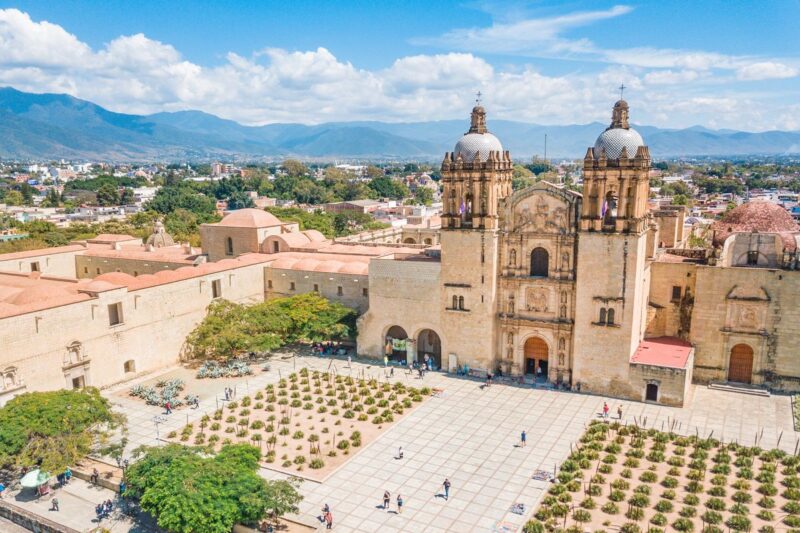
If you want the energy of Mexico without the tension, consider Guadalajara, Oaxaca, or Puebla. These cities offer rich culture, historic charm, and growing expat scenes—without quite the same pressure cooker effect as Mexico City.
They may not have the exact same cosmopolitan buzz, but they’ll give you a more authentic experience (and your money will stretch further, too).
