
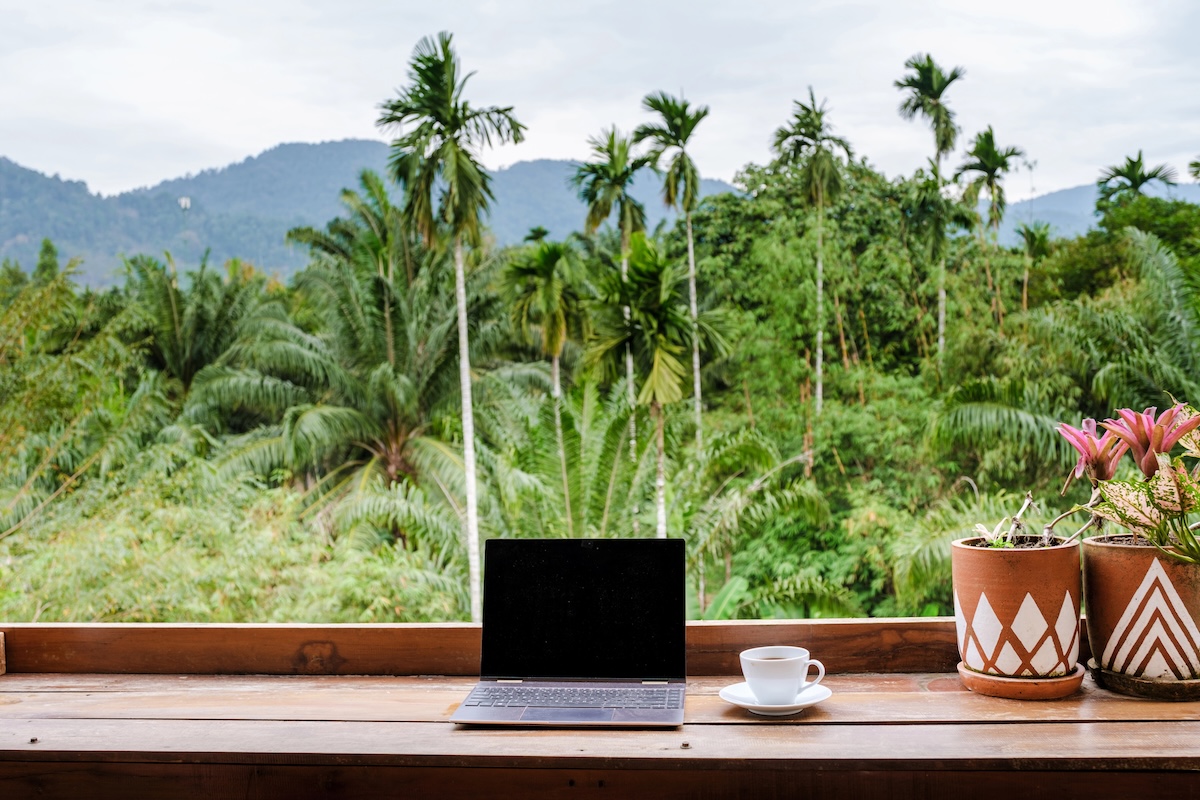
Living in Bali as a Digital Nomad
The following guide on living in Bali as a digital nomad is authored by Arianna
Thinking of moving to Bali for a while and working there as a digital nomad? In this article, I share my experience of living in Ubud, Bali.
We all dream of working from our laptops on Bali’s tropical beaches and in its hyper-aesthetic, affordable cafés. However, not everything is as perfect as it seems: sometimes being in Bali truly feels like a dream, while at other times it requires a good dose of adaptation and patience.
In this article, I’ll share everything you need to know about how to be a digital nomad in Bali: from visa options and cost of living to the best areas to stay and all that jazz.
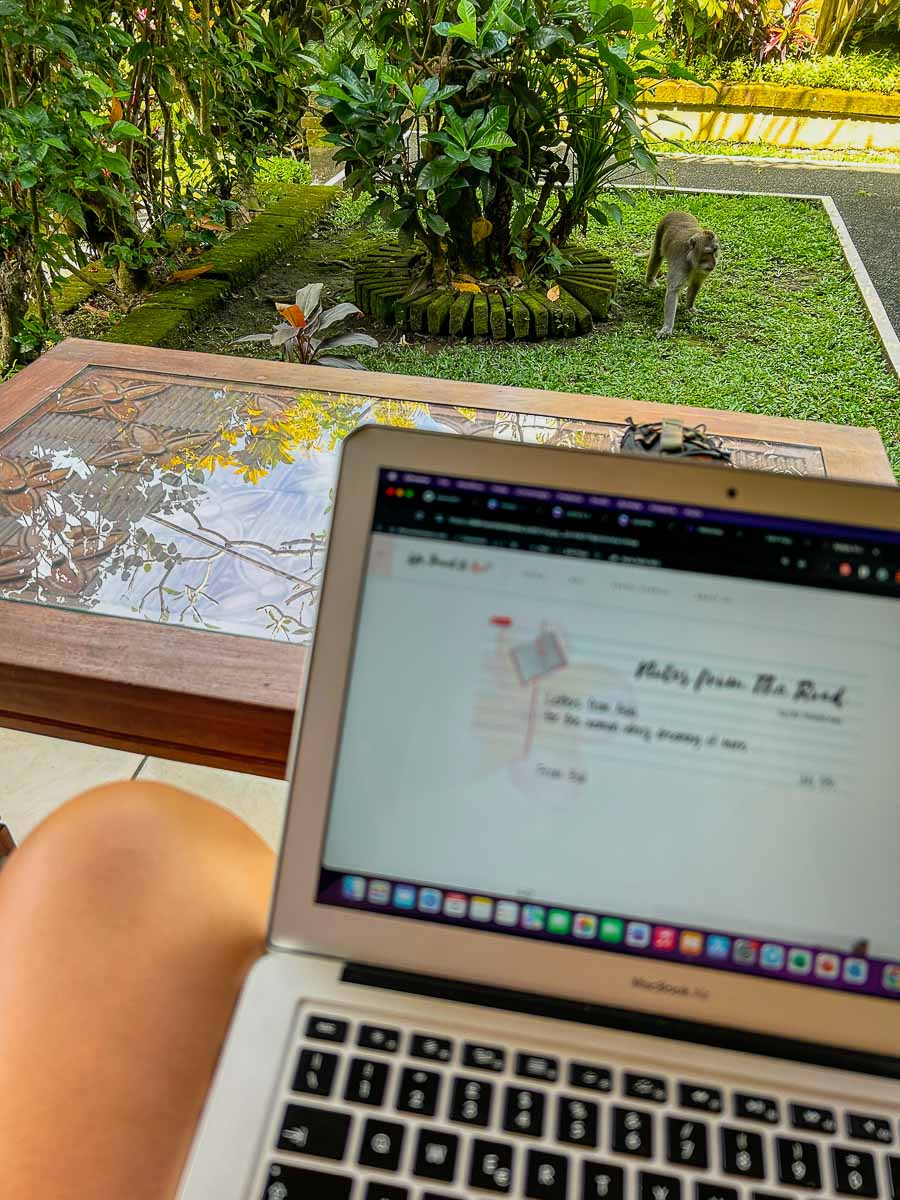
Quick Rundown on Digital Nomading in Bali
Top Cities
- Canggu & Seminyak – Ideal if you’re looking for modern facilities, networking opportunities, and a lively nightlife.
- Ubud – Great if you love nature and don’t mind an introspective, calm kind of stay.
- Uluwatu – Perfect if you want to stay by the beach and don’t mind a slightly higher budget.
- Sanur – A great choice for families with kids.
Visa
Start with a 2-month C1 tourist visa, extendable twice (up to 180 days). Below, I highlight other options if you’re planning a longer stay.
If you already know you’ll be staying in Indonesia for less than two months, you can apply for a standard 30-day tourist visa (e-Visa or Visa on Arrival) and renew it once (this can help you save money).
Pros 🤩
- Lower cost of living (compared to the US or Europe)
- Friendly local and expat community
- Plenty of amenities for digital nomads: co-working spaces, work-friendly cafés, co-living, wellness centers
- A culture rich in ancient traditions and wisdom
- Stunning nature and sights to explore (beaches, waterfalls, volcanoes, traditional villages)
- Slower, more relaxed pace of life
Cons 😔
- Traffic in major digital nomad hubs
- Unpredictable weather, with frequent tropical rain
- Very high temperatures and humidity
- Poor water quality for hair and skin (I recommend a shower filter)
- Occasional power outages affecting Wi-Fi and electricity
- Waste disposal issues (you’ll see a lot of rubbish around)
- The slow pace of life means you don’t always get what you need as quickly as you would elsewhere.
- Possible uninvited roommates, including spiders, cockroaches, and smaller insects.
Can I Work as a Digital Nomad in Bali?
The short answer is yes! Bali has become a true paradise for digital nomads, entrepreneurs, and creatives over the past decade.
In the main digital nomad hubs like Canggu, Seminyak, and Ubud, you’ll find everything you need and more: affordable cafés, plenty of co-working spaces, wellness centers with hyper-tech gyms, well-stocked supermarkets, and, most importantly, fast, reliable Wi-Fi in almost every public space (even though power outages can still happen from time to time).
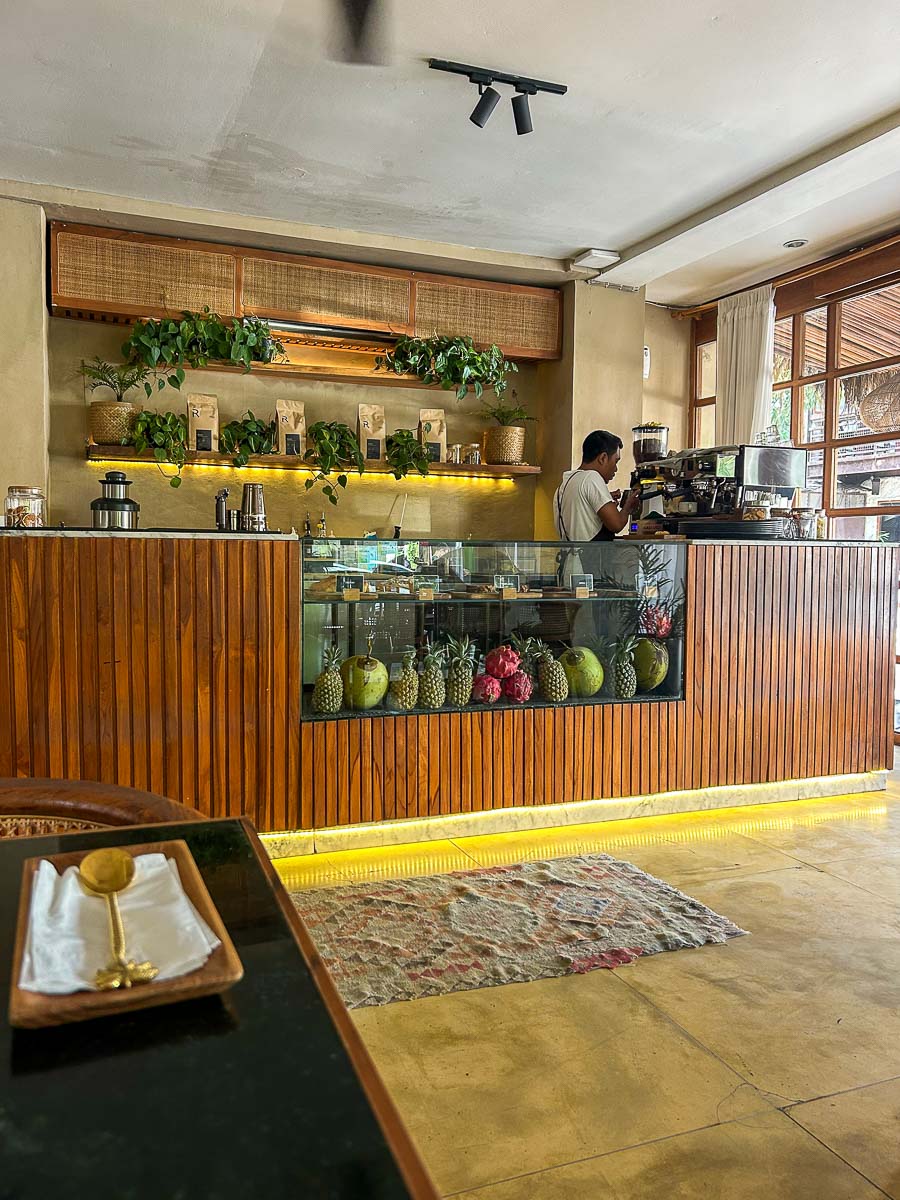
So, what makes Bali so special? The community.
The people you’ll meet here range from spiritual entrepreneurs and finance gurus to wellness lovers and adventure seekers. The diversity of backgrounds, conversations, and interests will make you feel like you’ve traveled through multiple countries, all while staying on the same tiny island.
And then there’s the adventure. On weekends, you might randomly find yourself climbing a volcano at sunrise in Kintamani in the north, taking a surf class in Uluwatu in the south, or exploring a temple hidden in the jungle.
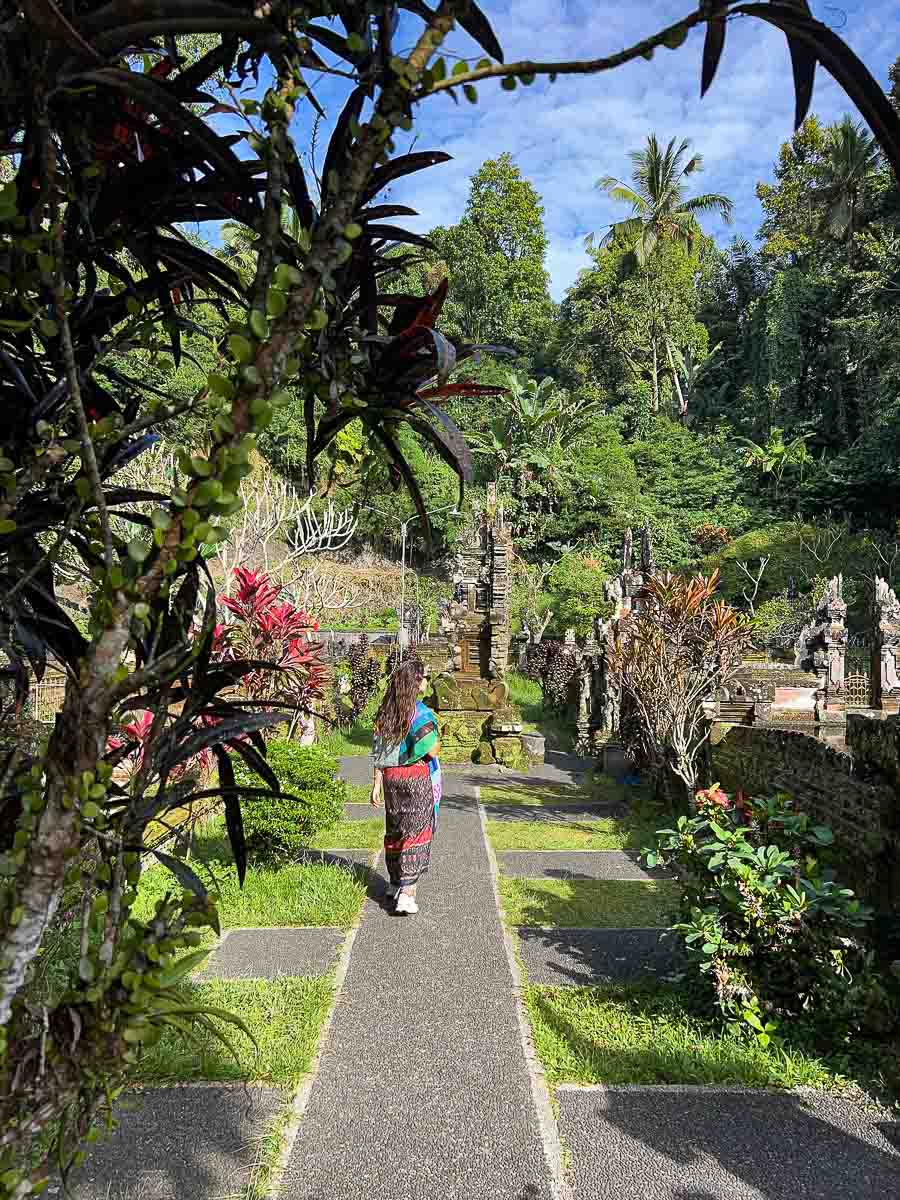
Is Bali Good for Digital Nomads?
I loved living in Bali as a digital nomad, but let’s break it down so you know exactly what to expect.
On the plus side, you can enjoy a relatively low cost of living (although it can add up quickly), surreal natural landscapes and cultural sites to explore, and one of the best food scenes I’ve experienced in Asia (there’s literally something for everyone).
The Balinese people are among the kindest and most relaxed populations on earth, and you’ll always feel welcome. Most locals speak good English, so you won’t have any trouble asking for help or communicating, although English is a bit less common in more rural areas.
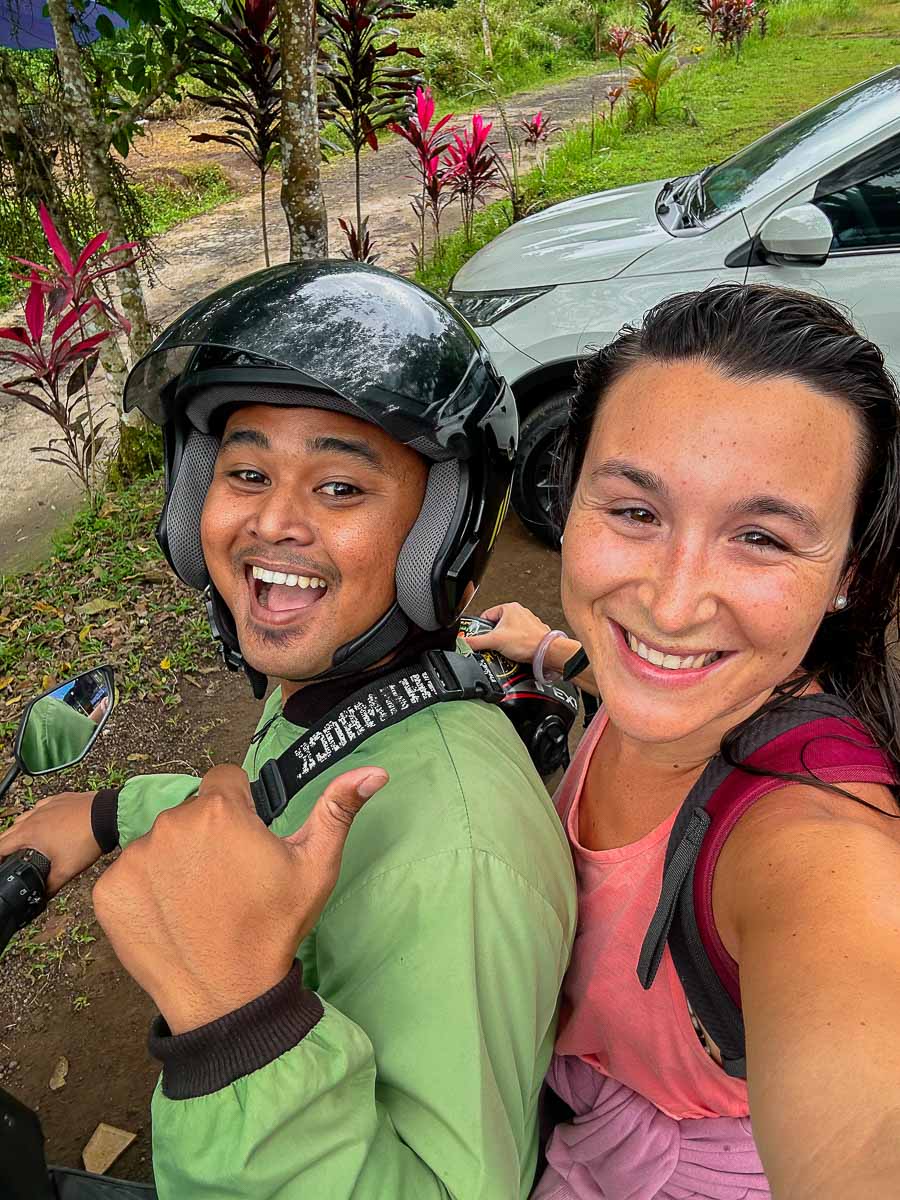
Everything in Bali feels slower, which can be either a pro or a con depending on your personality. If you’re self-driven, you’ll likely find your rhythm between sunbathing by the pool and morning yoga classes. However, if you rely on your environment to push you, Bali might not be the place for that…everywhere feels like a permanent holiday.
On the downside, Bali’s traffic is wild, especially in the main hubs. There aren’t many roads, so congestion during rush hour is the norm. The situation improves a bit outside of peak tourism season, from November onwards.
Like on any tropical island, the weather is completely unpredictable. While you’d expect little rain during the dry season (from April to September) and heavier rain during the wet season (from October to March), there are no real rules. You can easily wake up to clear blue skies and end the day with a full tropical downpour.
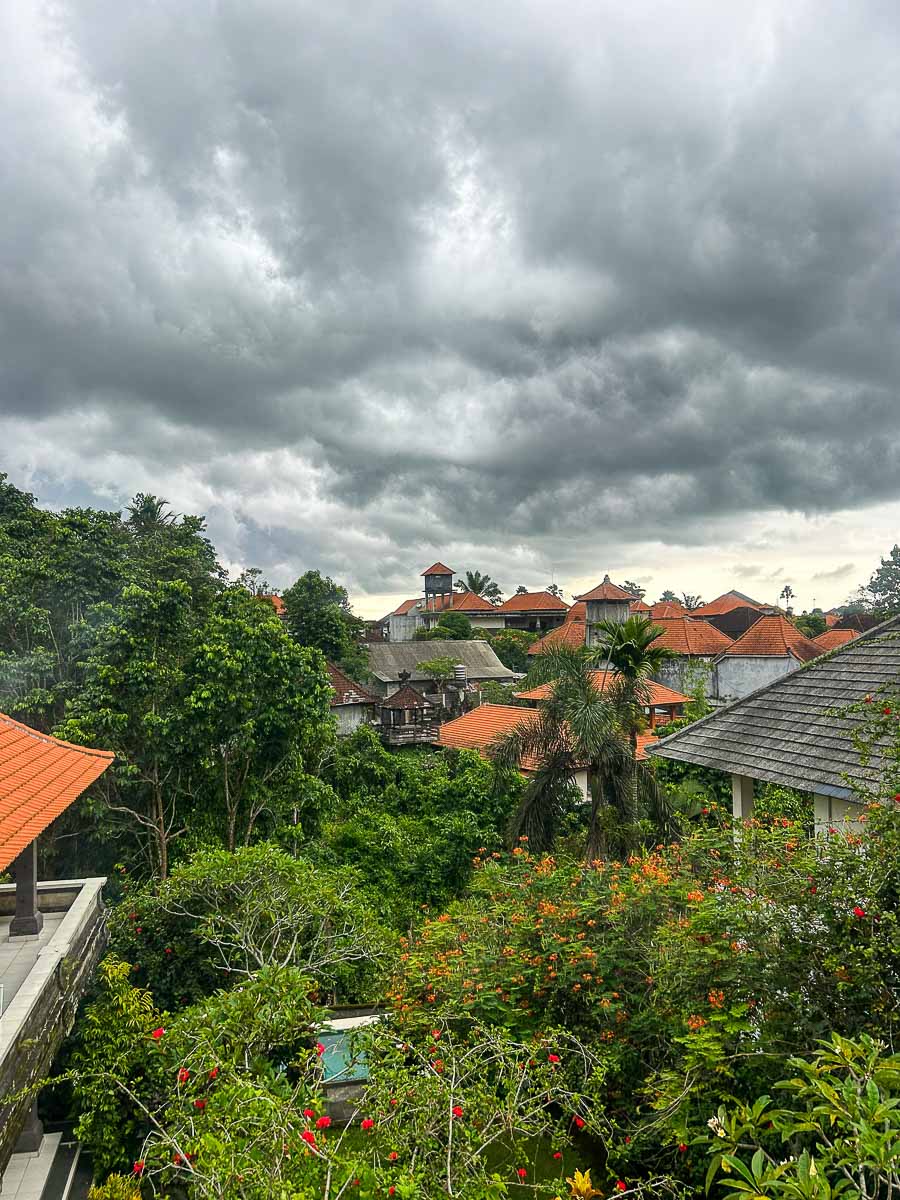
Lastly, another aspect that requires some adaptation is realizing that you’re on a small island in Indonesia, with limited infrastructure. Despite the incredibly aesthetic and contemporary tourism facilities, waste disposal is still a major issue, as well as road and building safety during floods, which are not uncommon in some areas.
Do Digital Nomads Pay Tax in Bali?
In Indonesia, you’re considered a non-tax resident if you stay for less than 183 days within a 12-month period.
So, if you’re a digital nomad working remotely for yourself or for a foreign employer, there’s generally nothing you need to worry about from a tax-residency perspective (just make sure you book a flight out of Indonesia at some point.)
However, there’s one important rule to keep in mind: regardless of your visa type, digital nomads are not allowed to work for or receive payment from Indonesian companies, unless you are formally hired under a local contract (which would no longer classify you as a digital nomad).
Indonesian Visas for Digital Nomads
Here comes the tricky part: what’s the right visa you should apply for? The visa situation for digital nomads in Bali is a constant work in progress with many grey areas.
As of today, there are three main options when it comes to visas:
C-Type Visa (also known as 211A Visa)
This is the easiest visa to start with, and the one I personally applied for.
Imagine wanting to try living in Bali for a while, without knowing yet if it’s really for you. The C-Type Visa is perfect for that: it lasts two months and can be renewed twice, for a total stay of up to 180 days.
You can apply for different purposes such as tourism, business, social/volunteer activities, or other reasons. The tourist visa is the most common option and is ideal if you’re working as a freelancer or running an online business.
This is one of the grey areas: technically, with this Visa you’re not allowed to run a business or earn money in Indonesia. However, as long as you’re not working for Indonesian companies or receiving local income, you’re generally fine.
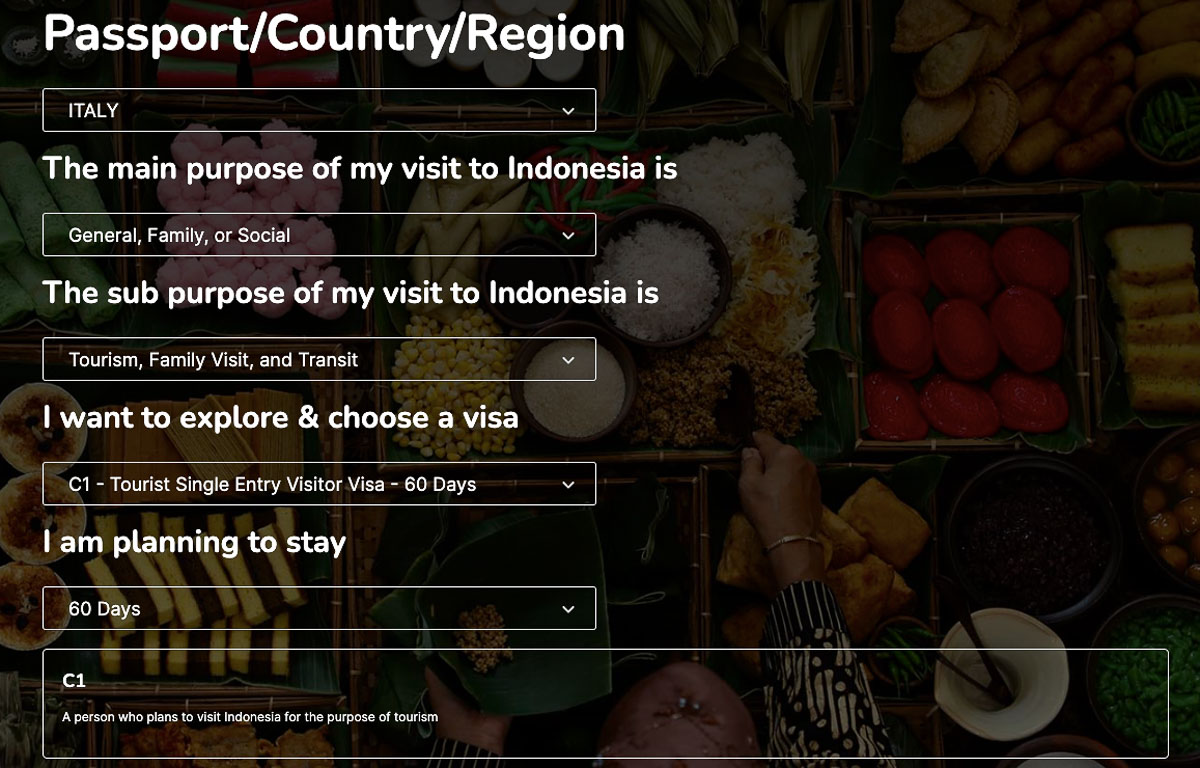
You don’t need an agency to apply for this visa; you can do it yourself through the official Indonesian e-Visa website. That said, I personally contacted an agency to avoid the guesswork and get help with the visa extensions.
Main Features and Requirements of the C-Type Visa
- You can stay for up to 60 days, with the option to extend twice (for a total of 180 days).
- The visa costs IDR 1,000,000 (around $60).
- You must provide proof of at least $2,000 in your bank statement.
- You cannot leave and re-enter Indonesia using the same visa. If you exit the country, you’ll need to apply for a new one.
- You’ll need a return or onward flight before the expiration of the first 60 days (another grey area, but most airlines require it).
- I personally paid IDR 1,900,000 ($114) for each extension through an agency. It may be cheaper if you apply directly through the official website.
In addition, your passport must be valid for at least six months, and you may be asked to upload a passport photo, proof of accommodation, or a sponsor letter during the application process.
If you apply through an agency, the sponsor requirement is usually taken care of for you. If you’d like more details on the do’s and don’ts of this visa, you can check the official information page.
Remote Worker Visa (Also Known as E33G Remote Worker)
The Remote Worker Visa allows you to stay in Bali for one year. It’s considered a KITAS (the Indonesian term for a temporary stay permit) and comes with some benefits, like discounts at gyms or co-working spaces.
I’d describe this visa as a way to legalize your stay while working remotely. To apply, you need a contract with a foreign employer and a minimum yearly income of $60,000, which unfortunately means freelancers without a formal contract aren’t eligible.
Main Features and Requirements of the E33G Visa:
- If you stay for more than 183 days, you’ll need to comply with Indonesian tax requirements.
- The visa costs IDR 7,000,000 ($416).
- You must provide proof of your foreign employment contract and required income.
- You can leave and re-enter Indonesia as many times as you like during the visa period.
For more detailed information, you can check the official page.
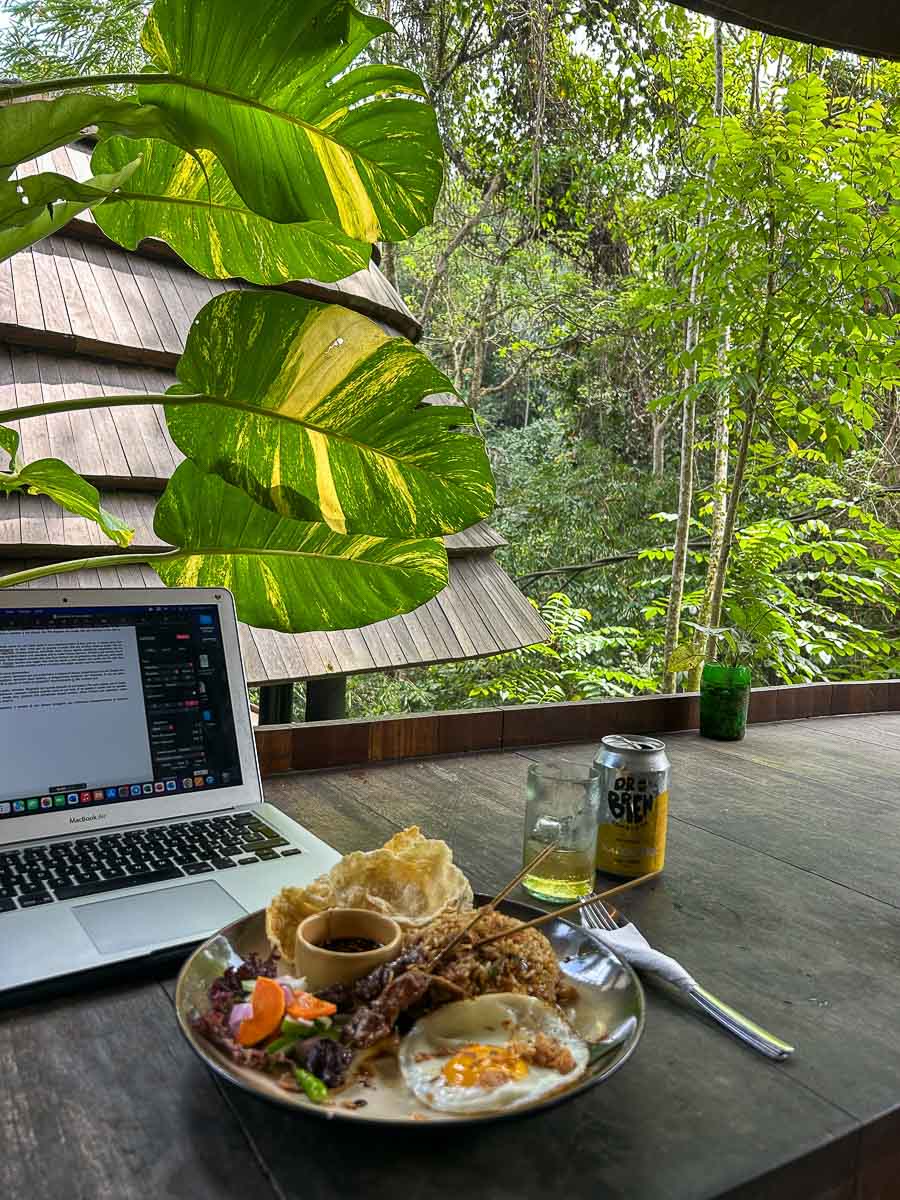
D1 & D2 Multiple Entry Visa
Finally, if you’re planning multiple stays per year in Indonesia and want to travel in and out of the country easily for tourism or business, you can consider a D1 (tourism) or D2 (business) visa.
These visas can be valid for 1, 2, or even 5 years, allowing 60-day stays each time (with the option to apply for a double extension twice, up to 180 days per stay). What makes this visa unique is that you can exit and re-enter Indonesia immediately using the same visa.
An Indonesian sponsor is required to apply, so in this case, using an agency is usually the best way to avoid issues or rejections.
If this sounds like the visa you need, I recommend mocking your application on the official e-visa service first. This will help you understand all the requirements, costs, and dos and don’ts.
RELATED: 21 Visas to Help Americans Move Abroad (That You Haven’t Heard of)
WANT TO MOVE ABROAD BUT OVERWHELMED BY OPTIONS?This guide gives you the *exact* steps, visa options, and decision tools to pick the best country for *you*.
GRAB THE GUIDE
No fluff. No BS. Just straight-up ✨virtual hand holding✨ so you can stop dreaming and get out of the US!
Best Coworking Spaces & Work-Friendly Cafés in Bali
The charm of Bali’s cafés and co-working spaces completely blew me away the first time I set foot on the island.
Most co-working spaces in Bali require a monthly subscription or at least a daily pass, but there are also plenty of cafés where you can work for hours without anyone giving you strange looks.
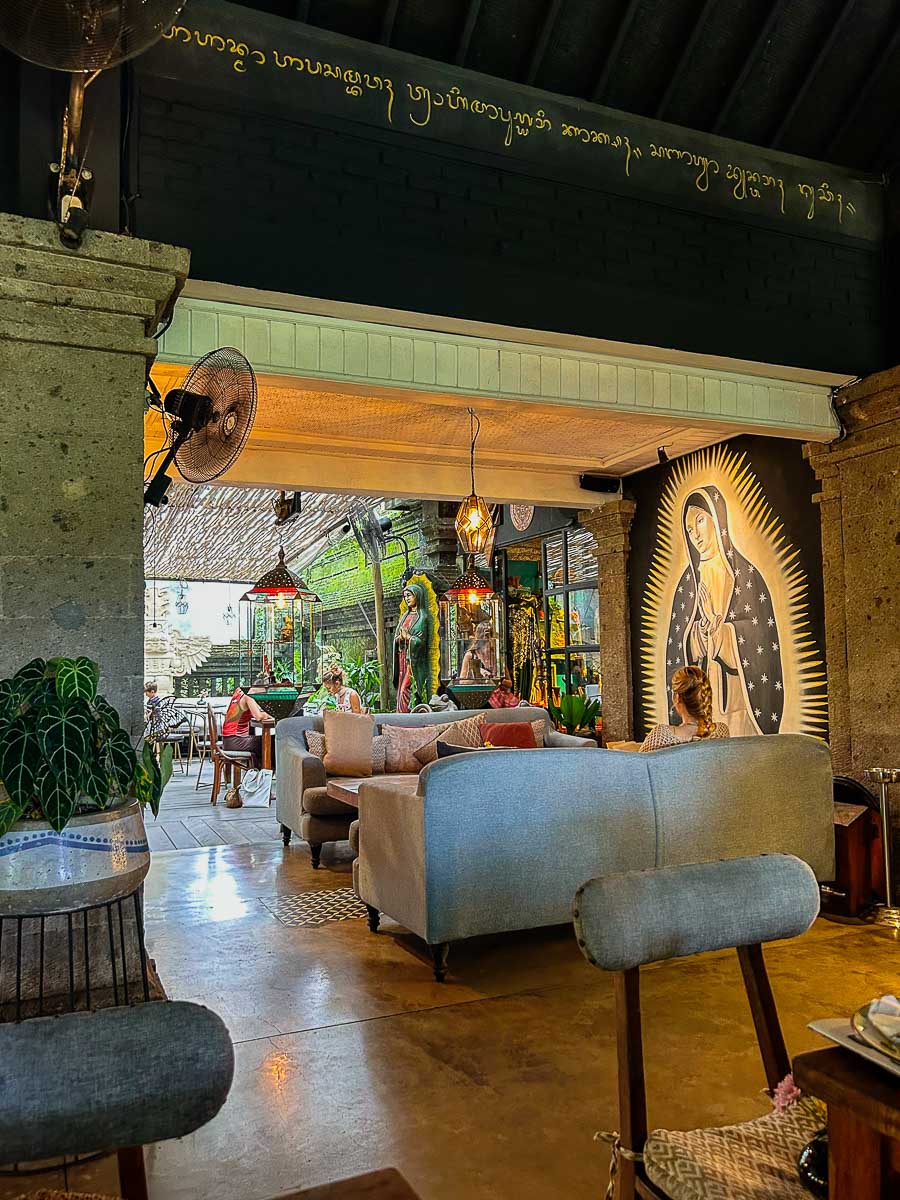
Here are some of my favorite and most popular co-working spaces and cafés to work from.
Ubud
- Zest: Think hippie vibes, vegan-only dishes, and spiritual music jams in the afternoon.
- Little Talks Café and Library: I basically lived here during my time in Ubud. You can order a great cappuccino and work for as long as you need.
- Outpost Co-Working (Penestanan): Penestanan is where many long-term expats live in Ubud, and Outpost offers several subscription plans, including a day pass for around $15.
- Sayuri Healing Food: Another great work-friendly café in Ubud, where you can enjoy a delicious vegan meal and stay with your laptop for hours.
Canggu
- Zyn Café:This co-working café is a true gem: it’s completely free to work from, open until midnight, and has great Wi-Fi.
- Alchemy Café: A local legend in Ubud, Canggu, and Uluwatu, and a favorite among digital nomads. The Canggu location is especially good for working, as the third floor is dedicated to laptop users.
- Tribal Co-Working Hostel: Open daily from 8 am. to 10 pm., and you’re free to stay and use the amenities as long as you purchase something.

Uluwatu
- The Space Uluwatu: The ultimate co-working space, blending work and wellness with yoga classes throughout the day and great coffee. They offer a variety of subscription plans, including a co-working + yoga day pass.
- Lemanja Uluwatu: All you need to do here is order something, and you can use their pool, co-working space, and poolside loungers for free.
- Ulu Garden: One of the best work-friendly cafés in Uluwatu, with excellent food and coffee, fast Wi-Fi, and no day pass required.
RELATED: 7-Day Bali Itinerary: Beaches, Adventures, and Culture
Finding an Apartment in Bali
Finding a place to live in Bali is surprisingly easy. Fortunately, or unfortunately, depending on your point of view, the island keeps developing to accommodate more expats.
You’ll find all kinds of accommodation options: from affordable long-term homestays and guesthouses (which often involve sharing a kitchen with other guests or living with a local family) to private villas with swimming pools and rice-terrace views.
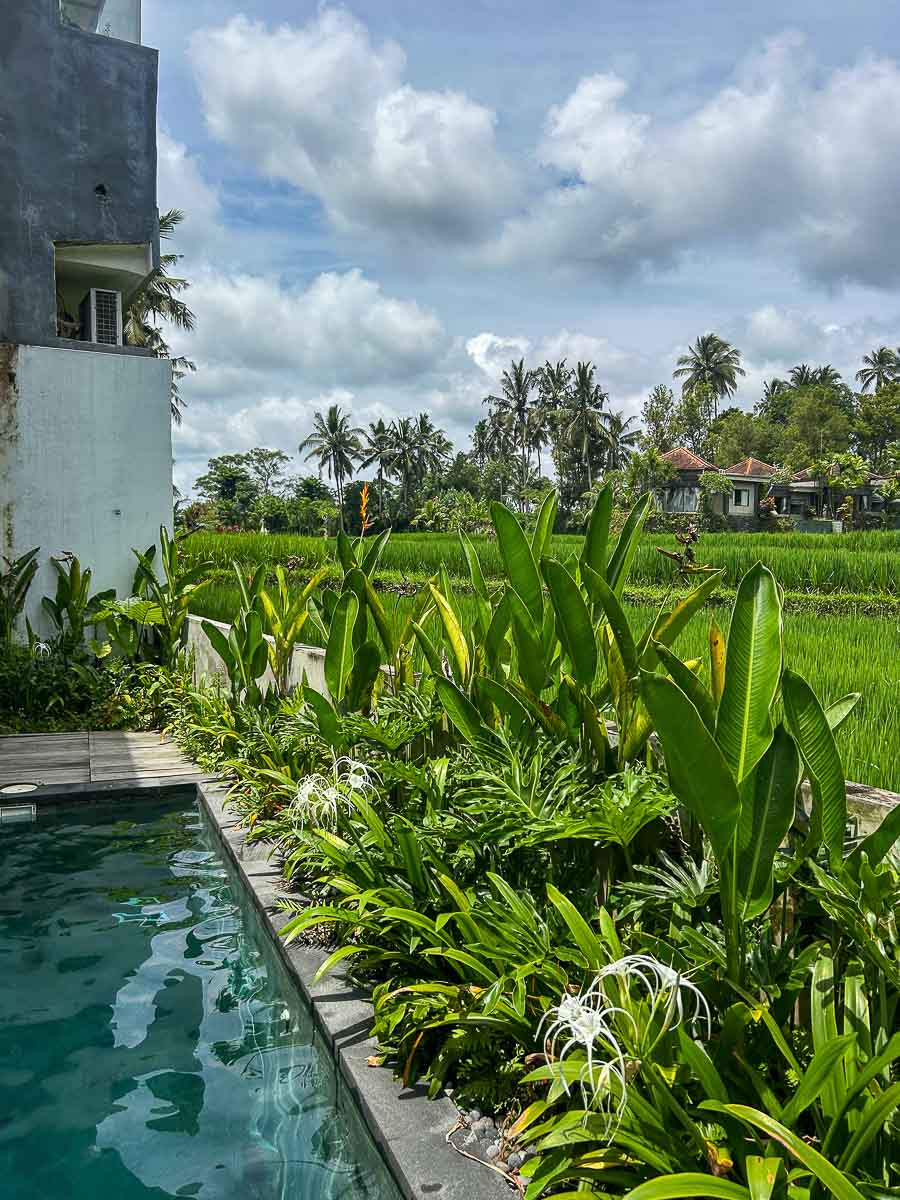
How to Look for an Apartment in Bali:
- Join Facebook groups: About a month before your departure, start browsing Facebook groups in the area you’re interested in. You can post your requirements and budget or simply scroll through available listings.
- Message landlords and rental agencies: For each listing, you’ll usually find a contact number you can message to check availability. About a week before your departure, you can already start planning and booking a few viewings for when you arrive in Bali.
- Walk around: Many places aren’t advertised online. Once you’re in Bali, take some time to walk around your chosen neighborhood and look for “for rent” signs. Phone numbers are often displayed directly on the property. Just send a message and arrange a visit.
RELATED: How to Find Accommodation as a Nomad
Tips & Things to Know
- Never rent an apartment long-term without seeing it in person first: For your first few days, or even your first week, book a hotel, homestay, or guesthouse and take your time finding your long-term home.
- Pay attention to nearby noise and construction sites (construction is very common in Bali), and make sure to ask about any future developments in the area.
- Monthly rentals usually include all utilities: Weekly cleaning (once or twice a week, depending on the contract), fresh sheets, and sometimes even large water bottle refills in the apartment (a huge plus considering tap water is off-limits).
- You usually won’t be asked to pay a deposit (though this may vary): Once you visit the place, agree on the rental terms, and pay your monthly rent, you’re good to go.
- Make sure to confirm in advance your rental extension: Especially if you’re staying in guesthouses or homestays advertised on Booking.com or other websites for short-term stays.
- Always sign a contract or get written confirmation that the apartment is yours for the agreed period.
A Personal Note on My Apartment in Ubud
When I rented my first apartment in Ubud, I honestly had no idea what I was getting myself into. I started with a room in a bungalow complex right in the city center.
The room was very simple: a small open space with a queen-size bed, a sink area, and a bathroom. No kitchen, no fridge, just a lovely garden and a shared pool. Naively enough, I thought I could eat out all the time (as I used to do when I was 22 and living in China). The rent was $357 per month, including electricity and cleaning.
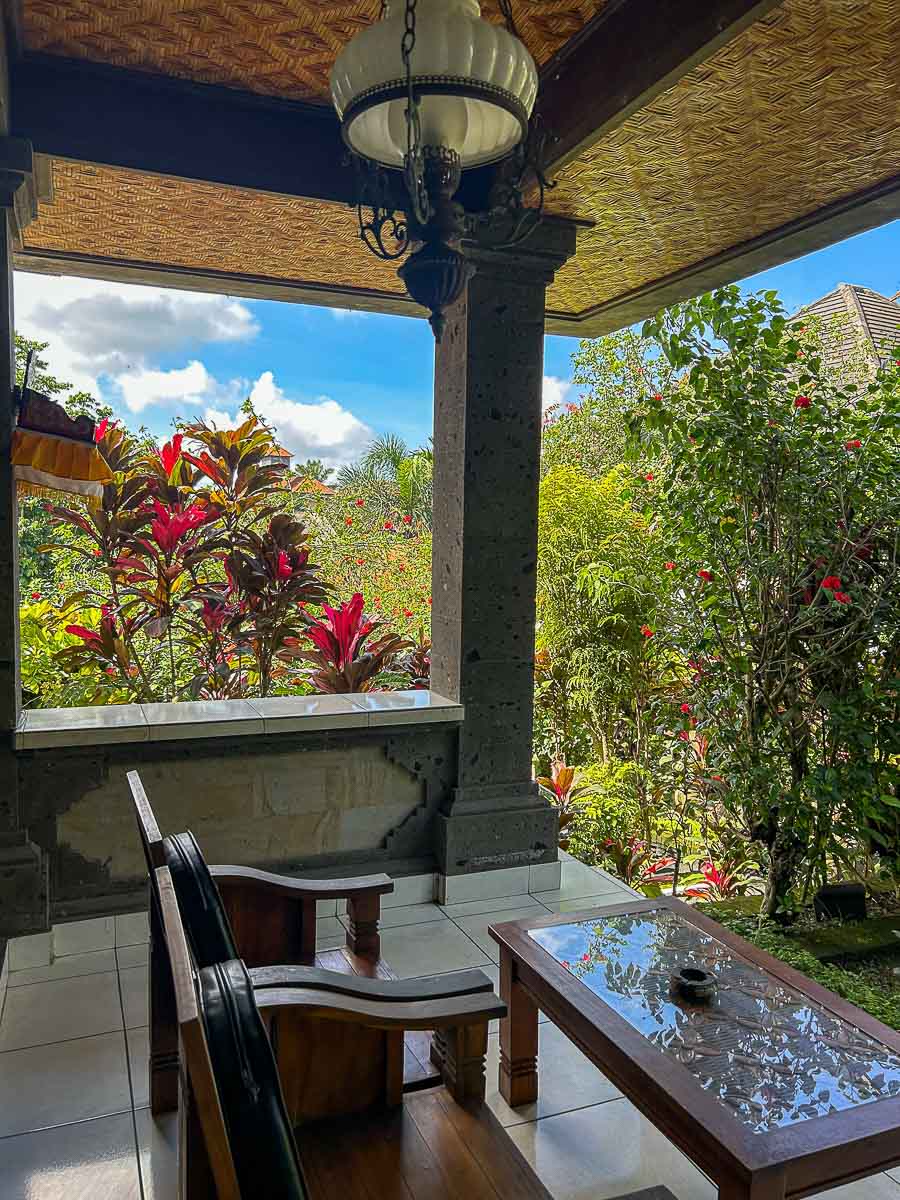
Looking back, I think I could have found something better if I’d moved a little farther from the center, but at the time, it was the right choice for me.
After three months, I moved upstairs because I desperately needed a fridge. Even though I had given up on cooking, I still needed a place to store some food and prepare simple meals. That apartment cost $475 per month, although I managed to negotiate it down to $445 (negotiating in Bali isn’t always easy).
If I had to do it all over again, I’d rent outside the city center and look for a place with a kitchen (I’m not that naive anymore) and a water refill station (…because carrying 5-liter bottles from the market every day quickly became a hassle.)
Facebook Groups to Join
Depending on the area you’ll be staying in, here are some Facebook groups you can join to find apartments:
- (your location) rentals, villa rentals, or apartment rentals
- (your location) digital nomads
- House rent in (your location)
- Digital nomads in Bali
- (your location) community
What Are The Best Cities for Digital Nomads in Bali?
The most popular areas to stay in Bali for digital nomads are Ubud, the Canggu/Seminyak area, Uluwatu, and Sanur (especially if looking to move with family and kids).
Ubud
Ubud is located right in the heart of the island and is considered the spiritual center of Bali. Its energy is truly special. Surrounded by jungle, it almost feels as if the trees are wrapping everything in a big embrace. For this reason, Ubud feels deeply introspective and spiritual; you won’t find nightclubs or bars open until late here.
In contrast, its main road, Jalan Raya, feels like one of the busiest and noisiest streets on the island. This is where most of Ubud’s tourist attractions are located. That’s the place not to be if you want to find silence, peace, and endless rice fields.
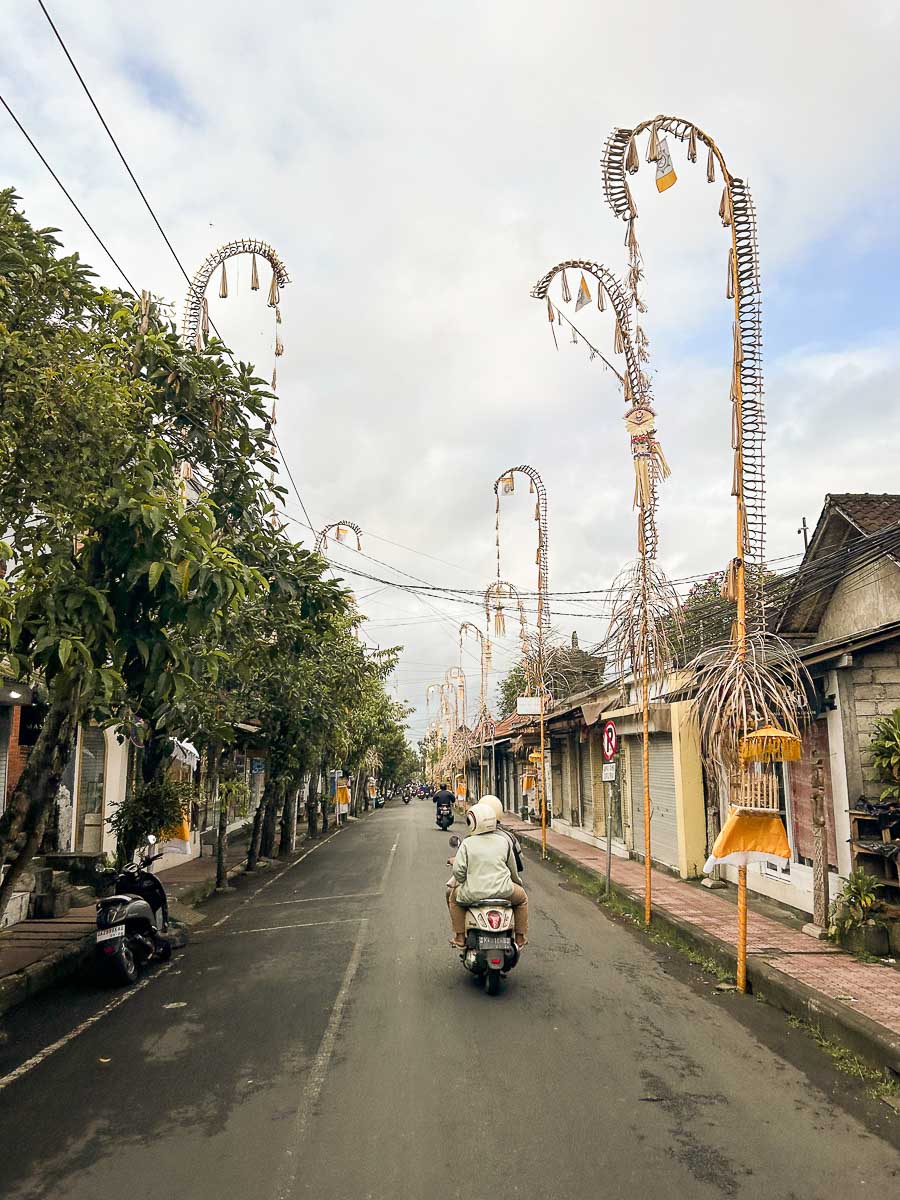
Ubud is home to trendy cafés and co-working spaces, as well as plenty of natural locations to explore on the weekends, including some of the most dreamy waterfalls on the entire island.
Most people drawn to Ubud are spiritual seekers or wellness enthusiasts (it’s the kind of place where pulling out a tarot deck feels completely normal), and funnily enough, it often seems like everyone you meet is going through some kind of spiritual awakening or self-discovery journey.
Canggu
Nine times out of ten, a digital nomad in Bali ends up living in Canggu. Here, the vibe is the complete opposite of Ubud: social, lively, and definitely party-oriented.
Canggu is probably the town with the most amenities developed for digital nomads: cool co-working spaces and gyms, healthy restaurants, and a variety of markets where you can find both local and international products.
While the beaches in Canggu aren’t considered the best on the island, they’re still one of the perks of living here. Imagine catching a fiery sunset after a long day behind your laptop, or spending your Saturday at one of the many beach clubs.
As one of the most popular areas on the island, traffic in Canggu has a bit of a reputation, though, honestly, this is true for many parts of Bali.
Uluwatu
Uluwatu is rapidly developing and becoming a popular destination for digital nomads looking for that pure island and surf-town vibe, without the heavy traffic and crowds you might find in Canggu. It is located in the Bukit Peninsula, the southernmost area of the island.
The community here is still growing, so networking and social opportunities may be more limited than in Canggu. The same goes for amenities, though you’ll still find great gyms, restaurants, and beach clubs to enjoy on the weekends.
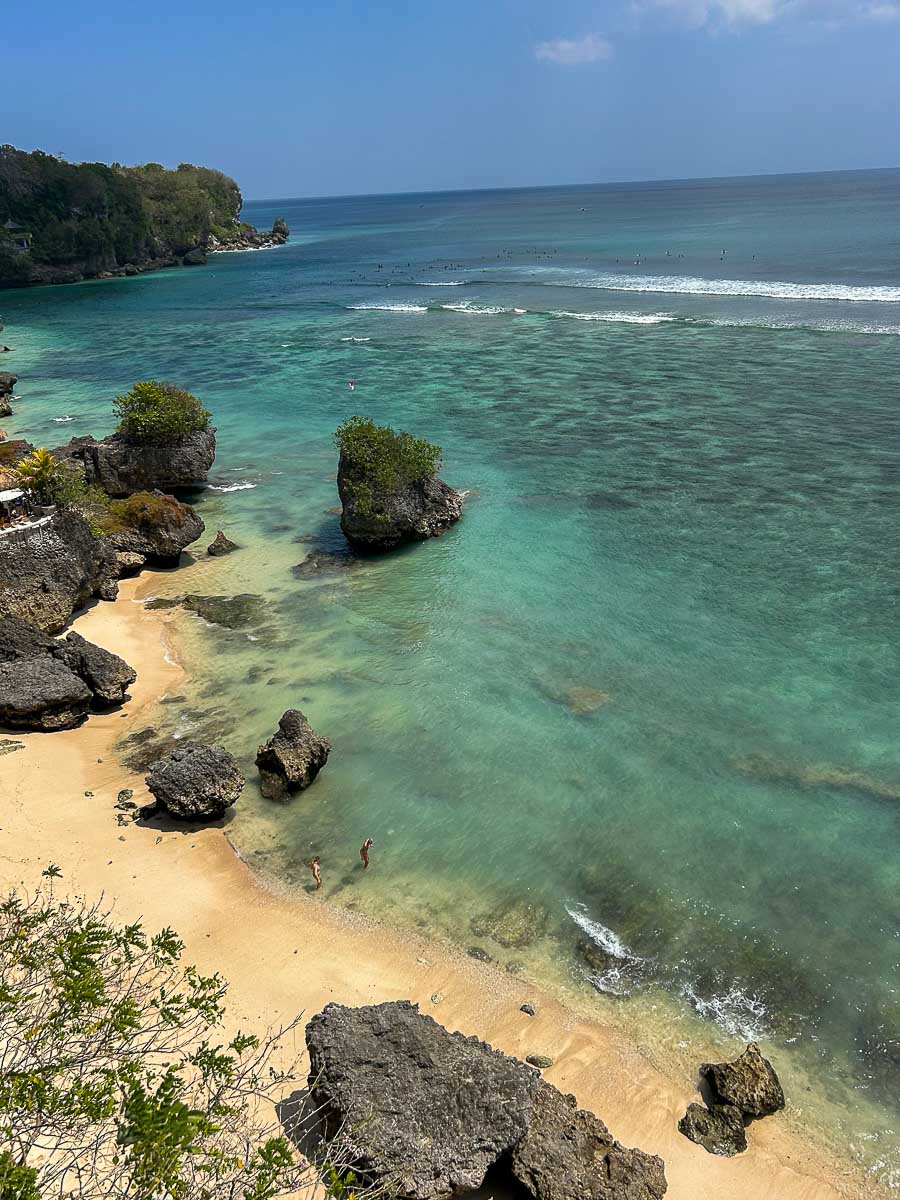
On the flip side, accommodation, food, and overall living costs are generally higher than in Canggu or Ubud.
That said, if you want to learn how to surf or simply live near some of the island’s outstanding beaches, Uluwatu is definitely the place to be.
Sanur
I’ve only been in Sanur for a couple of days, but the first thing you immediately notice is how peaceful it is compared to other areas of Bali, while still offering the facilities of more developed cities on the island. What I also noticed is that the crowd, both locals and travelers, tends to be much older, and I totally get why.
Sanur doesn’t offer the nightlife or the dynamic environment of nearby Seminyak or Canggu, but it does have the only beachside bicycle trail on the island. Walking along the beach, with lovely bungalows and pools on your left and white sand on your right, without having to worry about scooters zipping by, felt like a dream, and the beaches aren’t even crowded.
Another highlight of Sanur is the ICON Mall. It might not be your cup of tea if you prefer exploring the jungle on a Sunday, but it’s definitely helpful if you find yourself missing Western products from home.
My Experience Living in Ubud as a Digital Nomad
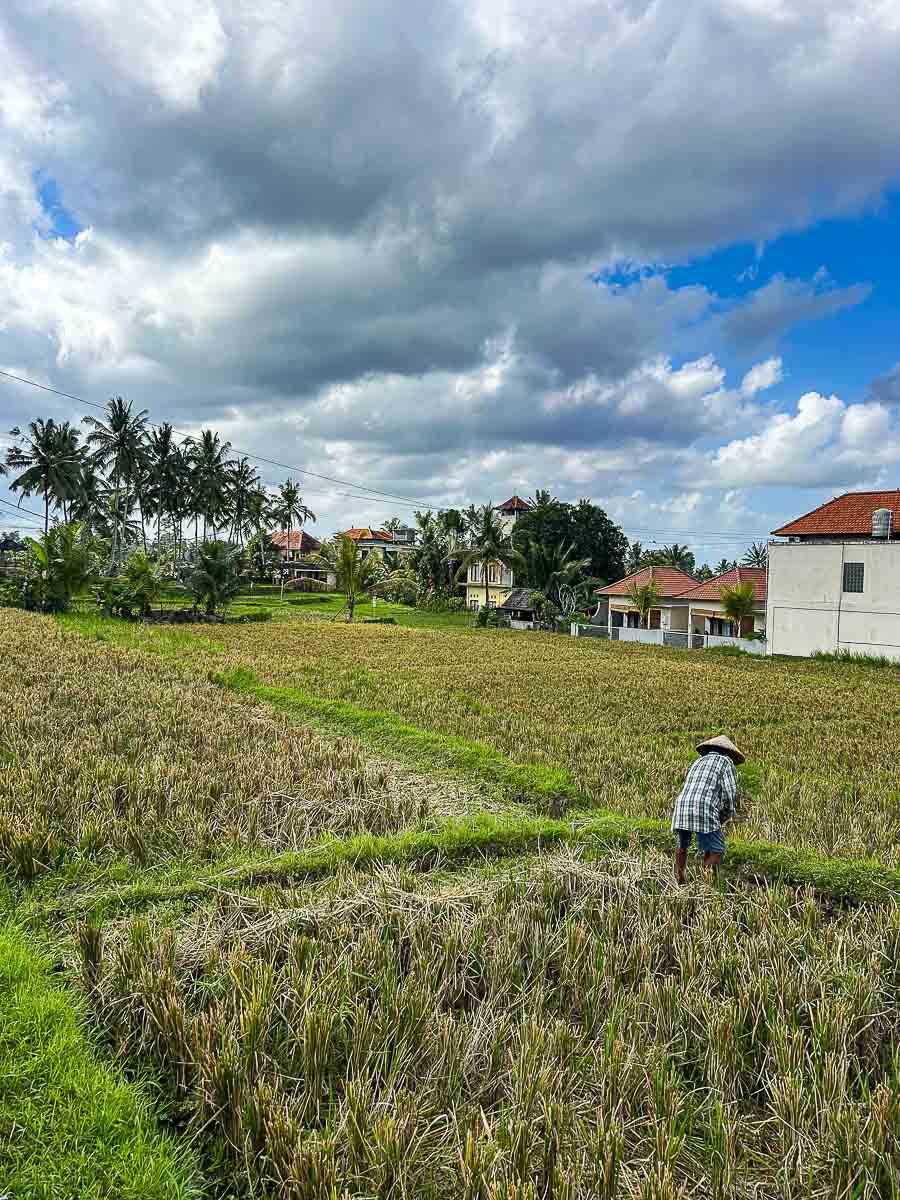
The main reason I chose Ubud for my digital nomad experience in Bali? First, I love walking in nature, and Ubud, with its rice field trails, quiet paths, and palm trees, felt like my kind of tropical paradise during my first visit.
The second reason? I actually had a dream about it, so in a way, it felt like Ubud chose me before I chose her.
After living here for six months, here’s a summary of my experience in Ubud.
Living in The Ubud Center
When I moved to Ubud, I knew I wanted to stay close to the center. As mentioned, I love walking, and I wasn’t planning on renting a scooter, so I really needed to be close to everything: shops, a well-furnished market, and above all, my beloved rice field trails.
I chose to live in a central alley called Jalan Bisma (jalan means “road” in Indonesian), surrounded by rice fields, boutique hotels, homestays, and tourist shops. I stayed in a small residence called Bisma Jaya Bungalow, and it felt extremely peaceful, while still being in the heart of town.

The lively atmosphere of Jalan Bisma is what drew me in the first time I drove by and visited the apartment.
If you’re like me and love a calm atmosphere without feeling too isolated (which is how I felt when visiting apartments in the middle of the rice fields), roads like Jalan Bisma or Jalan Sukma, close to Ubud’s center, are ideal. You could also look for an apartment in Penestanan village, where many expats live.
Food
If there’s something you won’t have any problem with, it’s finding good cafés and restaurants in Ubud.
Here, you’ll find all kinds of cuisines: from Indonesian, of course (Nasi Campur and Gado Gado are must-tries), to European (great pizzas and French bistros), as well as all kinds of Asian and Arabic cuisine.

Plus, if you’re vegan, vegetarian, or love to eat healthy, I’d speak of Ubud as the capital of healthy, fresh, and vegan options.
During the first three months there, I tried many diverse restaurants in the city center, and here are my favorites:
- KAFE – Favorite café to work from and where to get the biggest salad on Earth.
- LA BARACCA – My go-to Italian for the best pizza, pasta, and everything in between.
- COMPOUND WARUNG – The best and most affordable warung in Ubud, but go early as queuing for 20 minutes is the norm.
- FLOURISH CAFÉ – The best savory breakfast in all of Ubud, and you can actually build your breakfast bowl as you wish.
- DONNA – The most upscale and elegant dining experience. Visit if you don’t mind splurging (and smaller portions, I would add).
- PISTACHIO – Healthy restaurant with huge bowls and salads.
- WATERCRESS CAFÉ – Another great spot for healthy bowls and meat mains.
- AVOCADO WARUNG – As the name suggests, all things avocado; the stuffed sweet potato is bomb.
Weather
The weather in Bali is completely unpredictable. I’d love to be able to say, “Yes, the dry season is really dry, so plan your time in Bali from May to September and avoid it from October onwards.” However, I can’t.
I experienced some of the worst downpours in June and the hottest, sunniest, clearest days in October. So no, there’s no fixed rule. I’m pretty sure it didn’t rain much in July and August, if that helps (but that’s also the busiest and most expensive tourist season)
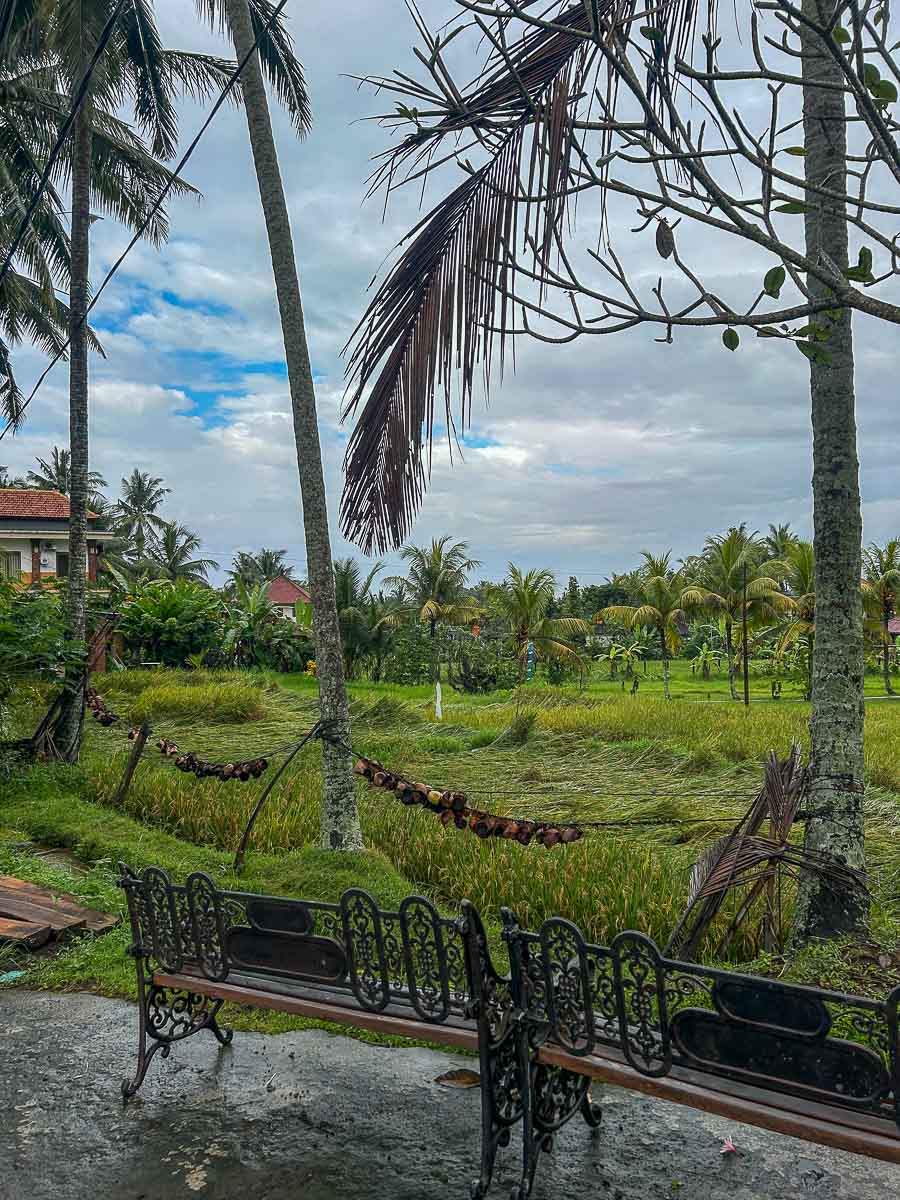
The central region of Bali, including Ubud, has the bad reputation of being particularly rainy, or at least of having skies that tend to turn particularly grey in the afternoon.
The reality is that anywhere on the island, you never really know what you’re going to get. But, no panic! As a digital nomad, a rainy day can easily turn into the perfect excuse to hide in a café or plan a long spa day.
In terms of temperature, it’s always hot. Temperatures and humidity are a bit lower during the dry season, but don’t worry, you won’t need to bring a jacket (do bring a raincoat, though), unless you’re scared of air conditioning.
Traffic
Here comes the sore point of living in Ubud (and, more generally, in any digital nomad hub): traffic.
Bali is a small island, and sometimes the number of people driving is simply too high compared to the number of roads available. That’s that simple!
In many cases, the way roads are built doesn’t help. They’re often very narrow, and you can easily imagine what happens when two trucks try to squeeze past each other. They will eventually make it, but not without causing a traffic jam.
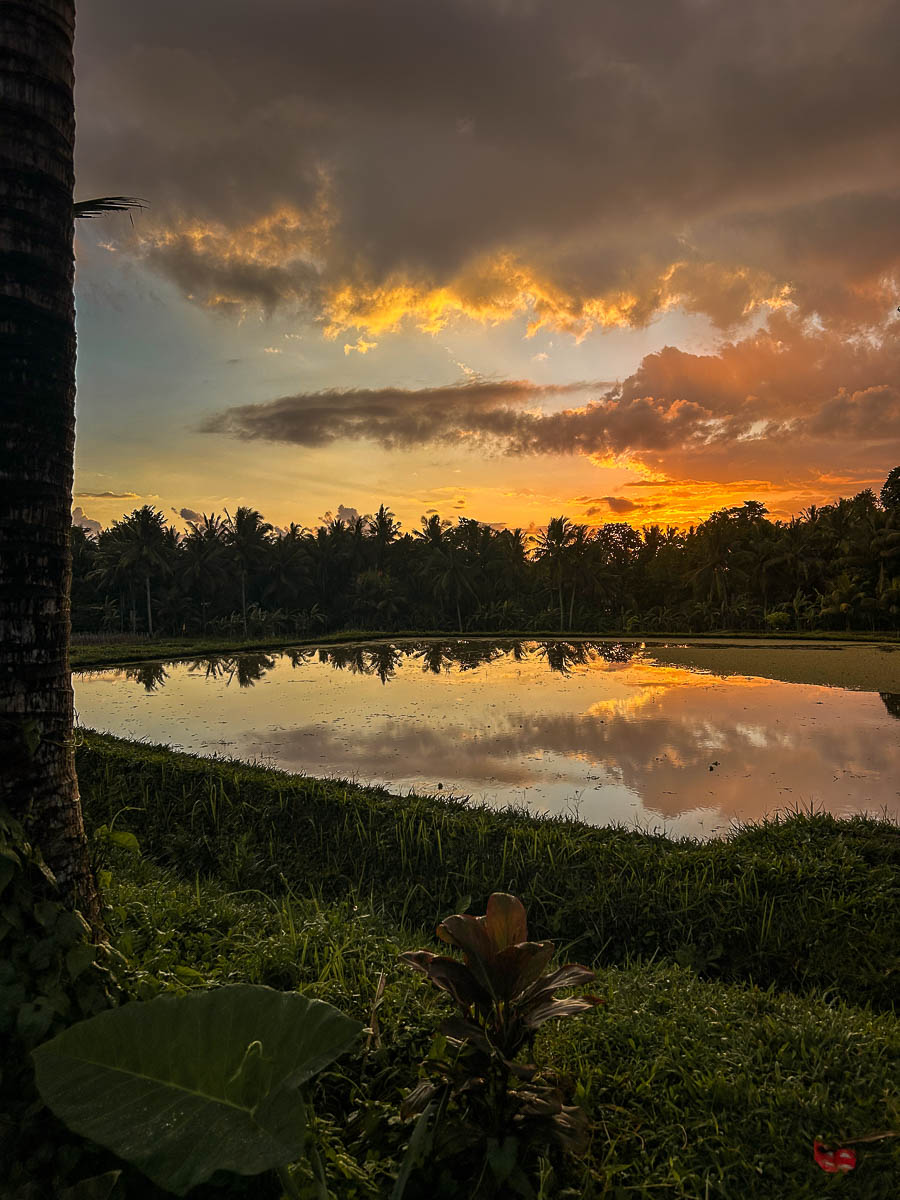
But here’s the good news: traffic in Bali is never completely stuck. You’ll make it to your destination in the end; you just need a bit of patience.
If there’s one tip I’d give, it’s this: choose a scooter over a car whenever you can, and if you do need to drive somewhere by car, leave early, as early as 6 am. That alone can save you a huge amount of time.
Community
If there’s one thing I’d say to anyone deciding to become a digital nomad in Bali, especially if you’re moving alone, it’s this: you need to be okay with doing things by yourself, especially at the beginning.
Everyone in Bali, from locals to expats to short-term and long-term travelers, is friendly. You’ll have amazing random conversations at cafés or Pilates studios, you’ll meet incredibly kind people all over the island… but often, that’s where it ends. Creating real connections can be surprisingly hard, or at least that was my experience.
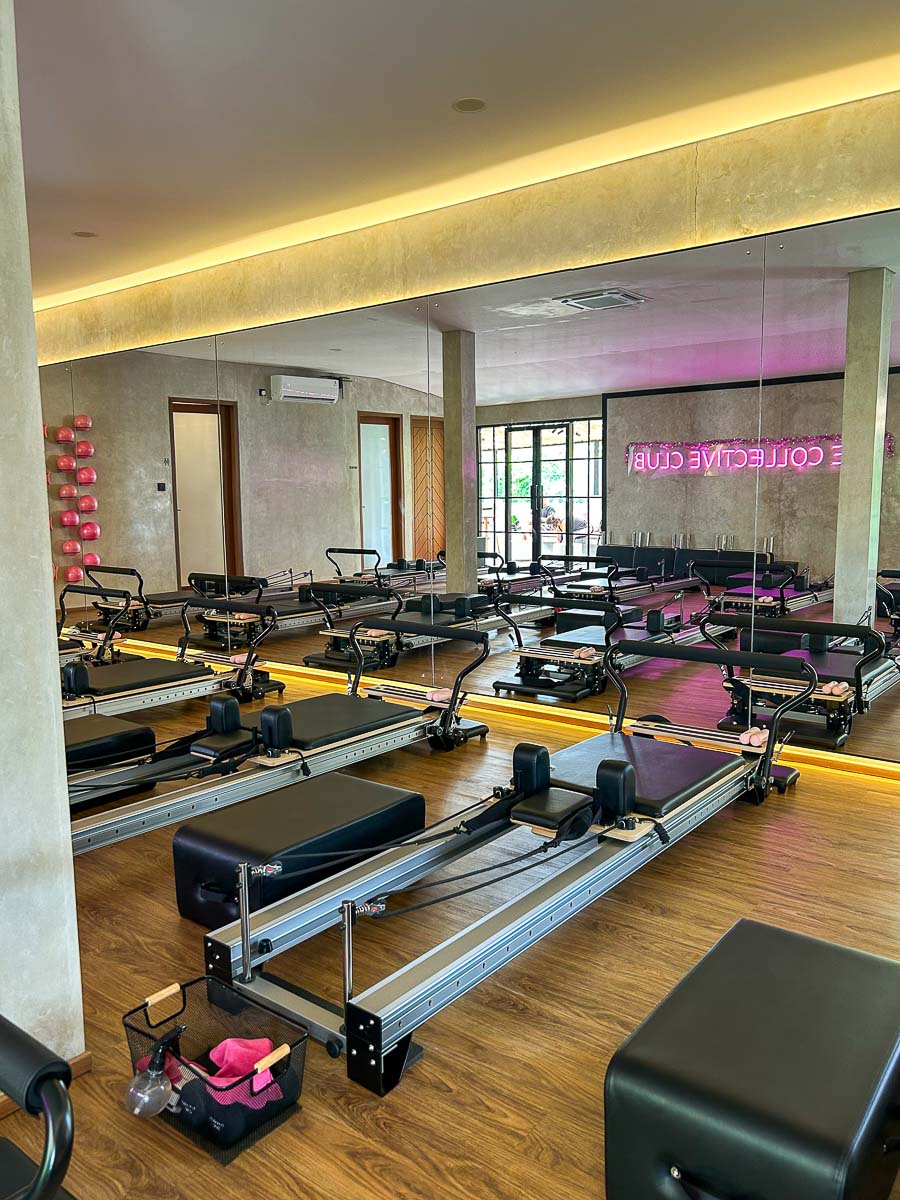
A lot of people are just passing through, traveling for a short time, or, like you, staying as digital nomads for a couple of months. Not everyone feels comfortable investing in connections that might not continue.
In Ubud in particular, I felt that most people are there to heal, to discover themselves, or to find a new path in life, and are generally very focused on their own journey.
As a tip for meeting people, try joining group activities: dance classes, gyms, fitness studios, or business circles. The opportunities are endless, and this way you’re more likely to connect with like-minded people, even if it’s just for a short time.
Things to Do
There are so many things to do in Ubud, in and around town.
The city center is a true open-air temple. Many religious sites aren’t open to visitors, as they’re real locations of worship, dedicated to prayers and ceremonies. One of these is Pura Gunung Lebah, the very first temple built in Ubud and, in my opinion, the most magical place in town.
Beyond the city center, the areas surrounding Ubud are home to many other mystical sites, such as Goa Gajah (the Elephant Cave) or the small temple of Gunung Kawi Sebatu.
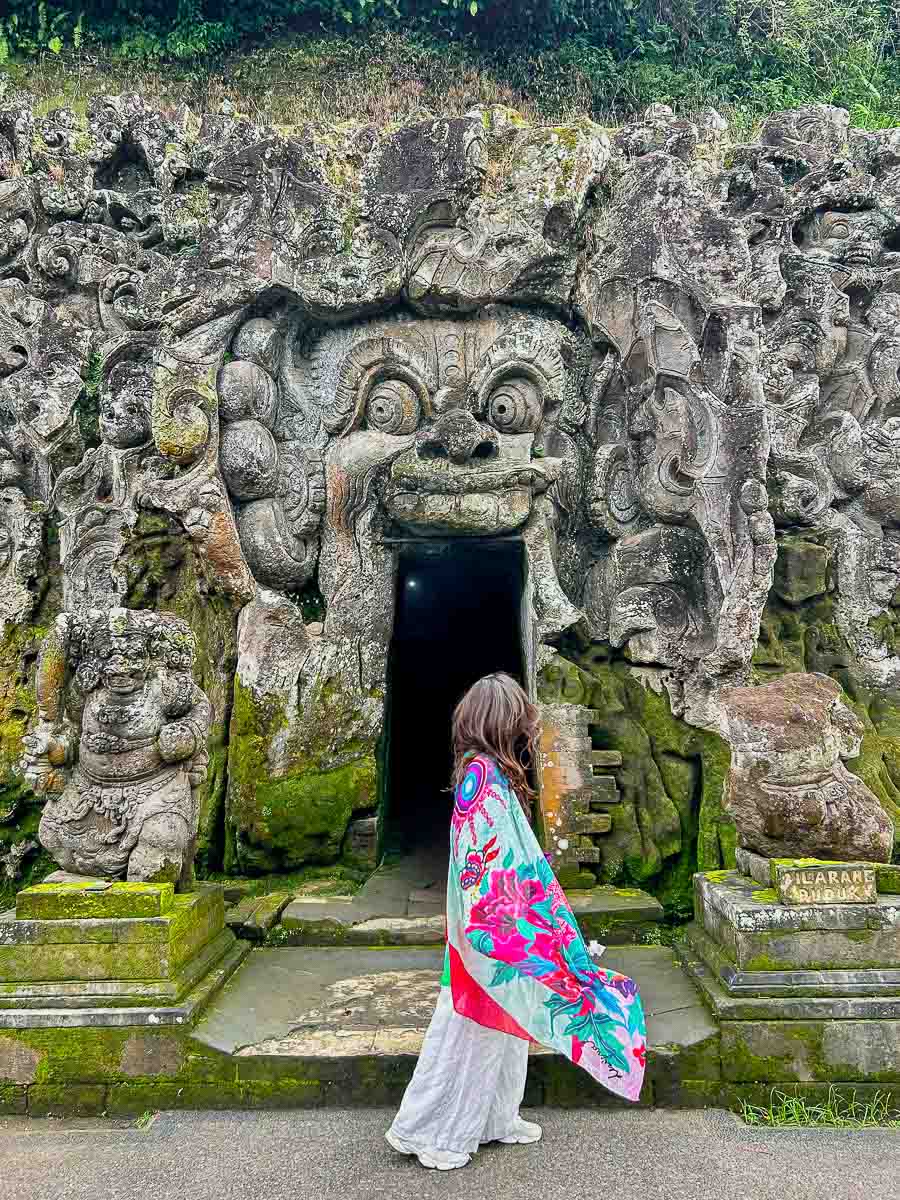
All around central Bali, you’ll also find hidden waterfalls that aren’t part of most tourist itineraries, often just 30 minutes away by scooter, perfect for turning your weekends into small adventures.
Finally, Ubud is the ideal base for day trips all over the island. One of my favorites is the one to Kintamani, the area surrounding Bali’s two active volcanoes, Mount Batur and Mount Agung.
How Much Does It Cost to Live in Bali as A Digital Nomad
Living in Bali can be extremely affordable and extremely expensive at the same time, depending on how often you decide to “treat” yourself.
My average monthly spending was around $1,300 for one person. This included groceries, laundry, transport, rent, internet, my visa renewal, and my monthly ClassPass subscription.
I didn’t hold back, especially when it came to grocery choices (I really wanted the best) and my addiction to Pilates and yoga classes (but that’s just me!).
You can definitely manage to spend less, especially if you’re sharing this experience and costs like rent and transport with someone else.
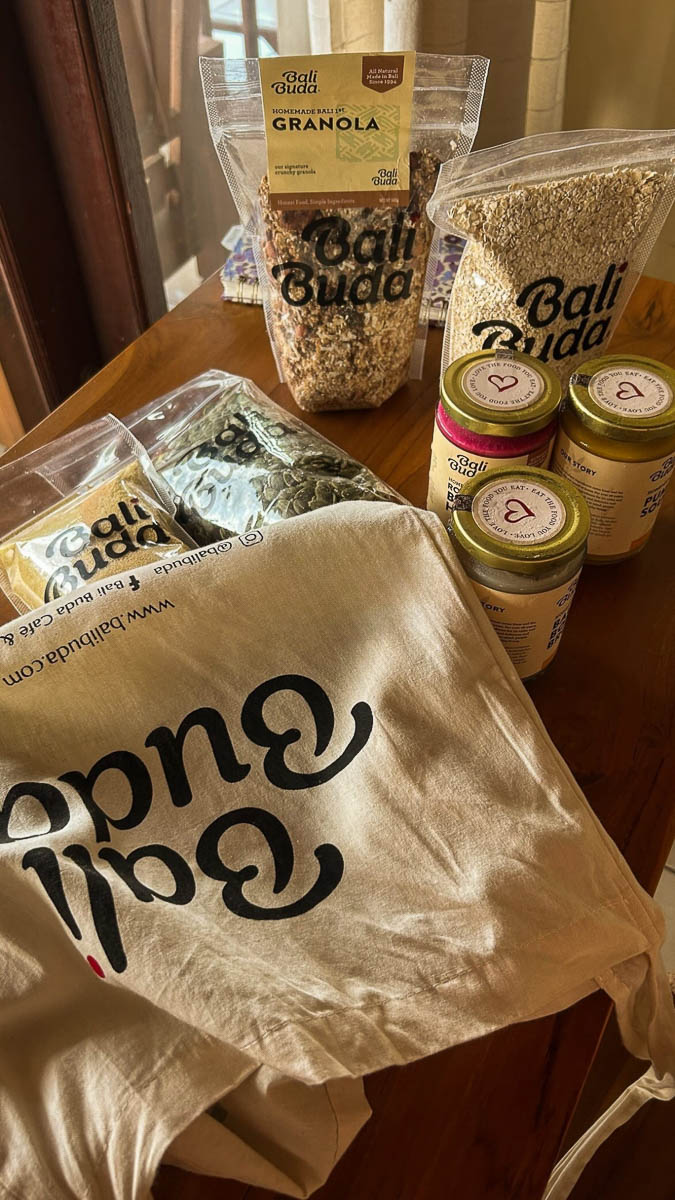
Groceries and Laundry ($584): I really paid attention to what I was eating, including natural cottage cheese, Greek yogurt, organic seeds of all kinds, homemade granola, and organic vegetables.
When in Bali, check if there’s a Bali Buda in your area, or if they deliver to where you’re staying. They’re truly the best of the best for homemade products like snacks, granola, seeds, and hummus. The final number includes my takeaway orders at home and the few times I ate out.
I used to do laundry every week, paying around $4 each time.
Transport ($72): I didn’t rent a scooter, but I used to hop on a Grab bike (the local ride-hailing app) at least twice a day (sometimes more), usually spending around $0.90 per ride.
Rent ($445): Rent was paid monthly. I had a small studio with a bedroom, toilet, sink area, and fridge. I could use the shared pool, and all utilities were included in the monthly rent.
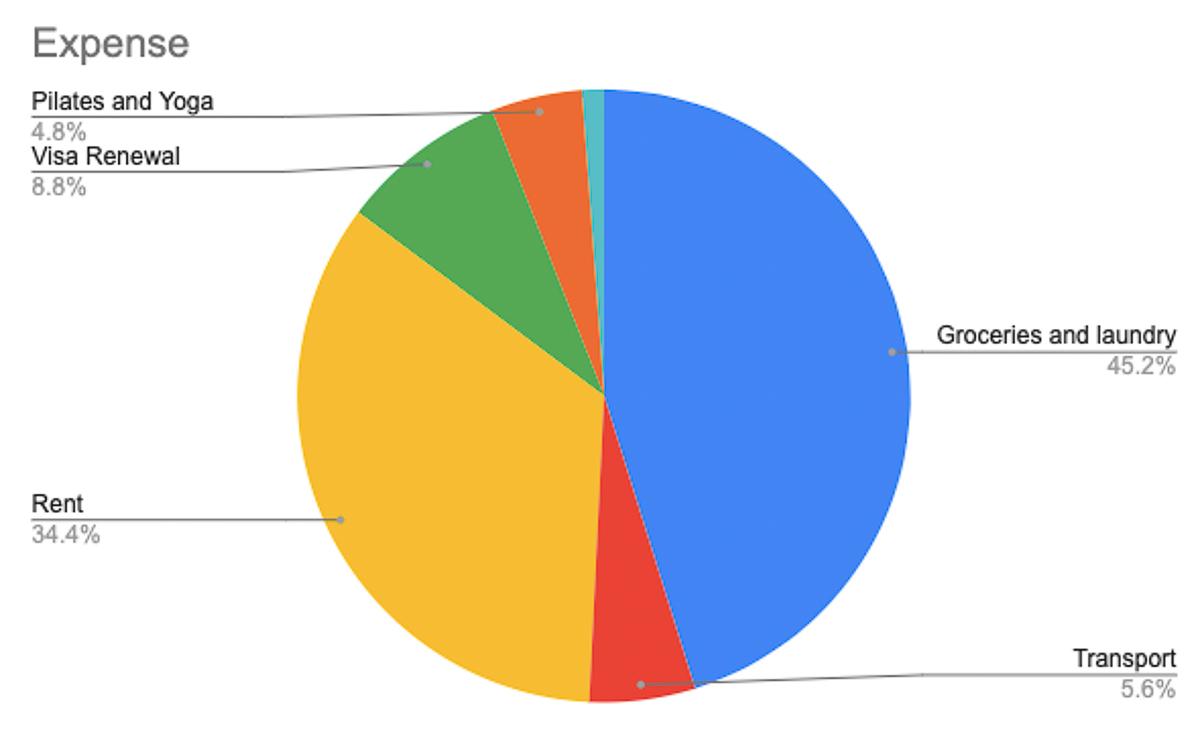
Classpass Subscription ($62): I ended up spending more time in yoga and Pilates studios than expected. For this price, I was able to attend three classes per week (each class was 3–4 credits).
Visa Renewal ($114): I ended up renewing my VISA twice over six months; $114 is the price of one renewal.
Internet ($15): I used to renew my eSIM subscription every month. Since I had great Wi-Fi at home and in nearby cafés, I tried to keep my internet spending low by turning off roaming when I didn’t need it.
Trips, Retreats, and Spa: My total spending doesn’t include miscellaneous items, which definitely have an impact on your monthly spending in Bali. Considering you can get a massage for $15 or a 90-minute luxury facial for $50, it is so easy to end up overspending.
Finally, as there are plenty of things to do, staying in one single area without traveling is a pity, so make sure to save a part of your budget for weekend trips.
Final Thoughts
I loved living in Bali, and Ubud in particular. This special town in the heart of the island, surrounded by jungle, was definitely the right place for me.
If you feel like Bali is calling your name, and you’re planning on heading there for a couple of months or longer, make sure to check out everything I wish I knew before moving there.
If I had to do something differently, I’d probably find an apartment with a kitchen from day one (I had enough of buying roasted chicken from the grocery store), and next time I’d likely choose a location closer to the ocean ( but away from the traffic of Canggu).
>>>BIO
Arianna is a wellness travel blogger from Italy. Through her blog, lifetravelandasia.com, she shares her passion for slow travel in Asia, exploring destinations through cultural, wellness, and authentic experiences. China and Bali have been her Asian homes so far, and she’s excited to see where this journey will take her next.

This guide gives you the *exact* steps, visa options, and decision tools to pick the best country for *you*.
GRAB THE GUIDENo fluff. No BS. Just straight-up ✨virtual hand holding✨ so you can stop dreaming and get out of the US!