Is America Actually Free? 7 Freedoms You Might Have More Of Abroad
“Land of the free” is something most Americans grow up hearing. It’s etched into songs, stitched onto bumper stickers, and shouted at anyone who dares to criticize the system. But if you’ve ever lived abroad—or even traveled long-term—you start to realize that freedom isn’t always what it looks like back home.
Freedom isn’t just waving a flag or saying what you want on Facebook. It’s being able to go to the doctor without a surprise $5,000 bill. It’s taking vacation without fear of getting fired. It’s walking home at night without clutching your keys like a weapon. And honestly, it’s realizing that “freedom” might be more than a slogan—it might be a lifestyle.
So… is America actually free? It depends where you’re standing. Here are seven freedoms many Americans discover (or finally experience) after they leave.
Freedom From Medical Debt

In many countries, healthcare isn’t tied to your job, your savings, or your ability to beg an insurance company for help. It’s just… there. Countries like Germany, Australia, and Thailand offer affordable or government-supported healthcare, and even private options are often a fraction of U.S. costs. You can walk into a clinic without fear of bankruptcy.
In contrast, Americans frequently delay or avoid care due to cost. Over 100 million U.S. adults are dealing with medical debt (source: Kaiser Family Foundation), and the fear of unexpected bills creates a constant mental burden. Abroad, that stress often vanishes. It’s not about perfection—every system has its flaws—but when a root canal in Vietnam costs $50 and doesn’t require six forms and a follow-up bill, you start to rethink what “freedom” really means.
Freedom to Actually Take Time Off

America is one of the few wealthy countries that doesn’t guarantee paid vacation or parental leave. You’re lucky if you get two weeks—and even luckier if your boss actually lets you use it. Meanwhile, in most of Europe, paid leave is a legal right. France? 5 weeks. Spain? 30 calendar days. And don’t even get them started on maternity leave.
Living abroad opens your eyes to the idea that rest isn’t earned—it’s expected. Time off is protected, honored, and rarely guilt-tripped. The freedom to unplug, travel, spend time with your kids, or just… exist outside of work? That’s real freedom. And once you’ve lived it, it’s hard to unsee how deeply the U.S. glorifies burnout.
Freedom to Feel Safe—Without Being Armed
In the U.S., the idea of “freedom” is often tied to gun ownership. But what if freedom is not needing a weapon to feel safe? In places like Japan, New Zealand, or Norway, strict gun laws haven’t led to tyranny—they’ve led to some of the lowest rates of gun violence in the world.
The U.S. has more guns than people (source: Small Arms Survey), and yet more Americans die from gun violence annually than in most developed countries. Abroad, it’s eye-opening to walk around at night or send your kid to school without fear of a mass shooting. That peace of mind? That’s a freedom many Americans don’t realize they’re missing until they live elsewhere.
Freedom From the Fear of Falling Behind

In many countries, basic needs are less likely to be market-driven. Things like education, housing, childcare, and public transit are more affordable—or at least less predatory. And when those things aren’t constantly threatening to bankrupt you, people have more room to breathe, plan, and enjoy life.
In the U.S., there’s a constant pressure to hustle, climb, and consume—because the safety net is thin, and falling through it is easy. Abroad, you might still work hard, but it’s not from a place of fear. You’re not stuck in survival mode. And that can feel like the first time you’ve been able to live life, instead of just brace for it.
Freedom to Live Without Culture Wars

America can feel like a battleground of opinions—where books are banned, drag shows are legislated, and entire identities are turned into political talking points. Abroad, you might not find utopia, but you may find a lot less noise. There’s often less obsession with policing what others do, wear, or believe.
That’s not to say other countries don’t have their issues. But in many places, there’s more legal protection for LGBTQ+ individuals, less media-fueled outrage cycles, and more space to simply live. If freedom includes the right to exist without being debated constantly, many Americans find more of it once they leave.
Freedom of Movement
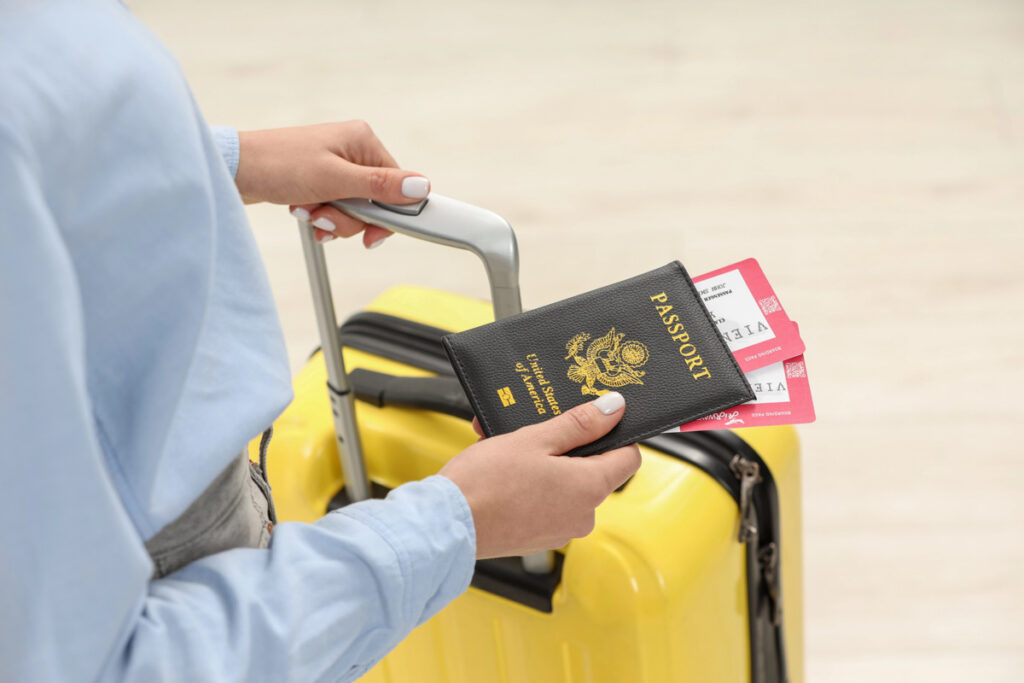
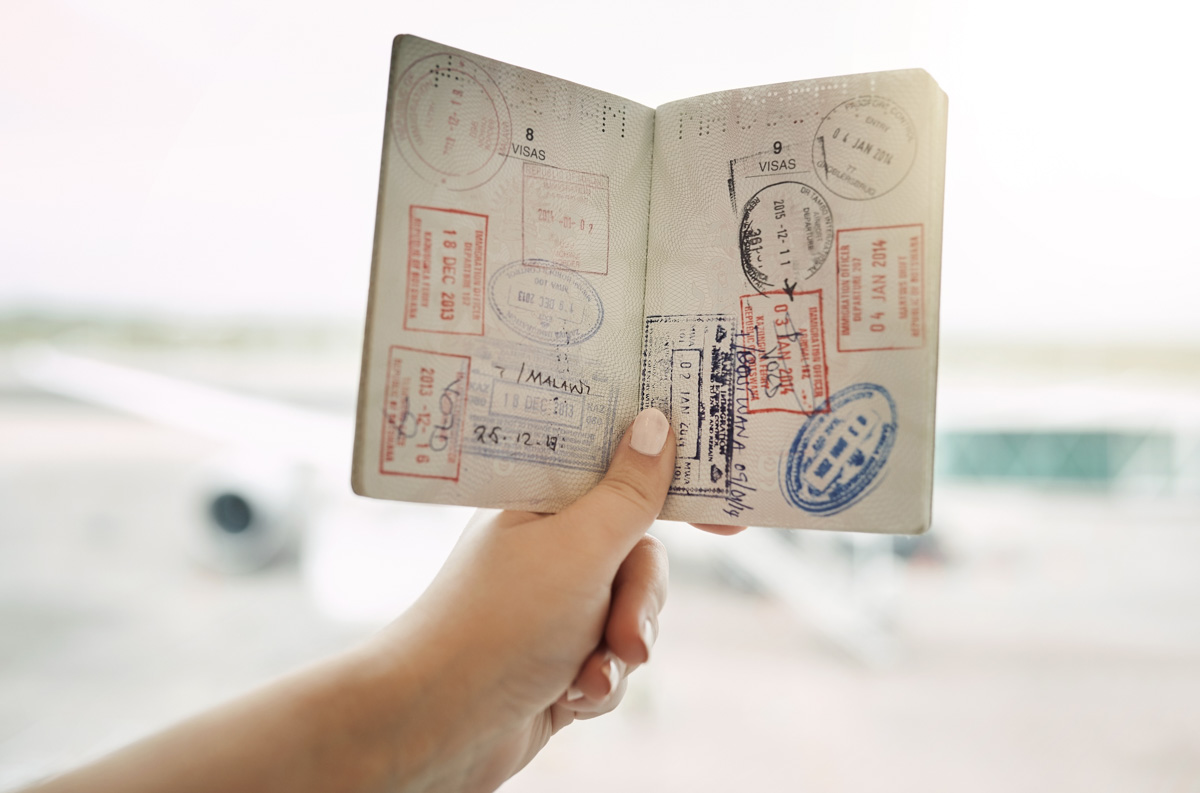
Americans love to talk about freedom, but ironically, the U.S. passport doesn’t get you quite as far as you might think. U.S. citizens can only stay 90 days in most Schengen countries before needing to leave. Meanwhile, citizens of EU countries can bounce between member states and work nearly anywhere on the continent. It’s the same with regional agreements in places like Southeast Asia or South America.
Visa restrictions, lack of public transport, and work barriers can make Americans feel a little… boxed in. Living abroad shows you what it’s like to hop on a train and cross three countries before lunch—or to have a visa that lets you actually stay long enough to build a life. That kind of freedom is rare for U.S. citizens, and once you taste it, it’s hard to let go.
Freedom From the Hustle

In the U.S., productivity is king. Your value is often tied to your job title, your income, and how little time you spend resting. Abroad, many cultures don’t share that mindset. They value social time, mid-day breaks, and slow Sundays where nothing is expected of you.
You don’t have to be a millionaire to live well abroad. And you don’t have to constantly explain your job title or defend your freelance lifestyle. People care less about how you make money and more about whether you’re enjoying your life. In that space, you’ll find a kind of freedom that doesn’t exist on paper—but is deeply felt every day.