How It Feels to Watch the U.S. From a Distance
Living abroad doesn’t mean you stop caring about your home country. In some ways, you care more. You follow the news. You vote. You explain America to confused strangers over dinner. But watching the U.S. from afar also gives you something most people never get: perspective.
From the outside, the chaos hits differently. The culture wars feel louder. The healthcare system looks crueler. And the things you once accepted without question suddenly make no sense. Living abroad doesn’t disconnect you—it just makes you see things more clearly. Sometimes with heartbreak. Sometimes with relief. Always with nuance.
Here’s what it actually feels like to watch your country from the outside looking in.
It’s a Mix of Guilt and Gratitude

There’s a strange relief in not being there—but it comes with guilt. You’re not stressed about another election. You’re not dodging medical bills. You’re not worried about gun violence every time you go to the grocery store.
But then something awful happens—another mass shooting, another court decision, another health crisis—and you feel the ache of distance. You can’t show up. You can’t help. You can only watch. It’s a complicated privilege, and one that doesn’t always feel good.
You Notice the Noise—And How Constant It Is
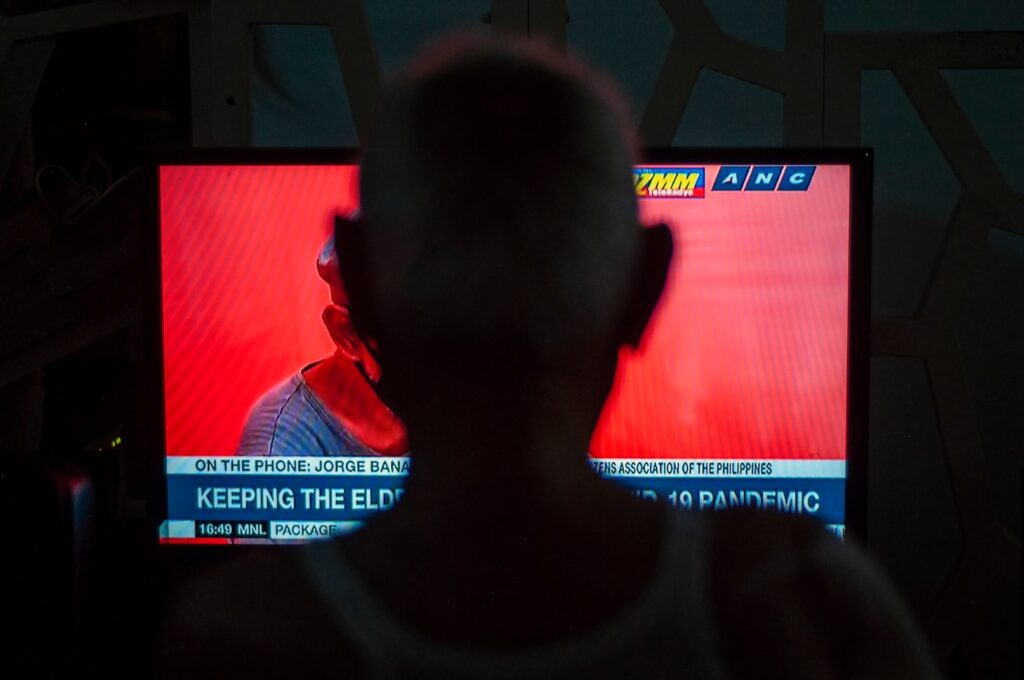
American life is loud. Not just literally, but culturally. The news cycle never stops. Social media is fueled by outrage. Everything feels like a crisis, all the time. When you live in it, you might not notice. But from afar? It’s exhausting just to observe.
Abroad, many countries operate with a quieter baseline. Politics exist, sure. But people aren’t constantly in panic mode. The background stress fades. And when you’re no longer in it 24/7, you realize how much that mental clutter used to shape your mood—without you even noticing.
People Ask You to Explain Everything (and You Can’t)
Why does the U.S. have so many guns? Why is healthcare so expensive? Why are school lunches full of sugar? Why do people keep voting against their own interests? These are real questions you’ll get from locals abroad—and answering them is hard.
You start to see your own culture through their eyes—and sometimes, you can’t explain it. Or worse, you realize the answer is “money and power” way more often than you thought. It’s humbling. And it makes you think harder about what’s “normal” back home.
You Appreciate What the U.S. Does Get Right

Perspective cuts both ways. Living abroad can show you what the U.S. does do well—like customer service, parks, entrepreneurial opportunity, or diversity. Not everything is broken. Some things are just… uniquely American.
Distance lets you reflect on what’s worth keeping and what’s worth changing. You stop seeing everything through a patriotic lens or a doomer spiral. You just see it more clearly—and that clarity can actually lead to more meaningful action.
You Feel Like You’ve Outgrown the Bubble
The longer you’re gone, the more obvious it becomes: the U.S. is not the center of the universe. Other countries have their own rhythms, systems, and values—and many of them work just fine without American input. That’s not an insult. It’s reality.
You stop viewing the world through one nation’s lens. You think globally. You plan differently. You ask better questions. Watching the U.S. from a distance doesn’t make you detached. It just means you’re finally zoomed out far enough to see the full picture.