
Does Anyone Live in Antarctica Permanently?
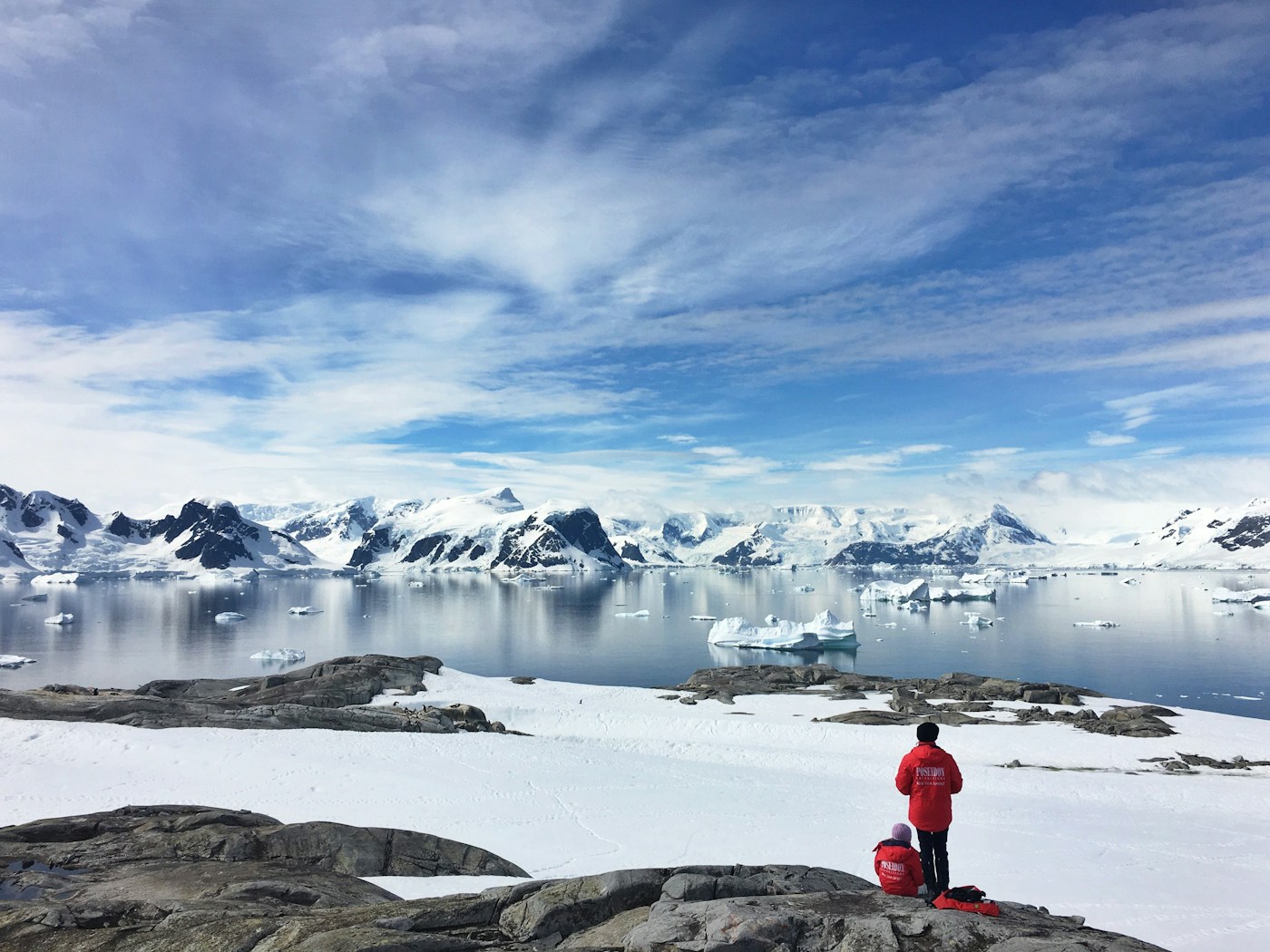
Picture yourself standing at the edge of the world, where endless white stretches meet the horizon. Antarctica remains Earth’s most isolated continent, a place where silence feels almost tangible and the wind carries stories of ancient ice.
While discussions about towns in Antarctica occasionally surface in curious conversations, the reality is quite different from conventional settlements we know.
This frozen landmass challenges every assumption about human habitation and permanent residence, creating a unique chapter in our planet’s story. The continent that holds 90% of the world’s ice doesn’t just resist human settlement—it actively defies it. Yet thousands of brave souls venture here each year, drawn by scientific curiosity and the irresistible pull of the unknown.
The Reality of Antarctic Population
Antarctica has no permanent human population. The continent hosts approximately 4,000 people during summer months. Winter numbers drop dramatically to around 1,000 individuals.
These residents are temporary visitors, not permanent inhabitants. They work at research stations for specific periods. Most stay between six months to two years maximum.
Unlike other continents, Antarctica has no indigenous population. Humans first reached the continent only in the 1800s. The harsh environment prevented earlier human settlement.
Research Stations: Antarctica’s Temporary Communities
Over 70 research stations operate across Antarctica. These facilities represent more than 30 countries worldwide. Each station serves specific scientific purposes and research goals.
Types of Antarctic Stations:
- Year-round operational bases (approximately 40 stations)
- Summer-only research facilities (approximately 30 stations)
- Field camps for specialized projects
The stations focus on various scientific disciplines:
- Climate research and weather monitoring
- Biological studies of Antarctic wildlife
- Geological surveys and ice core sampling
- Astronomical observations and space research
According to Wikipedia’s comprehensive overview, these research installations follow strict environmental protocols under the Antarctic Treaty System. The treaty ensures all activities serve peaceful scientific purposes.
McMurdo Station and Civilian Settlements
McMurdo Station: Antarctica’s Largest Community
McMurdo Station represents the closest thing to an Antarctic city. This American research facility accommodates up to 1,000 people during peak season. The station features extensive infrastructure and support services.
McMurdo Station Facilities:
- Multiple dining halls and recreational areas
- Medical facilities and emergency services
- Fire department and waste management
- Shops and communication centers
The station operates like a military base or industrial complex. Personnel work six-day weeks with 54-hour schedules. Living quarters are dormitory-style with shared accommodations.
Civilian Settlements: Rare Exceptions
Only two civilian settlements exist in Antarctica. Villa Las Estrellas operates under Chilean administration. Esperanza Base functions under Argentine control.
| Settlement | Country | Summer Population | Winter Population |
| Villa Las Estrellas | Chile | 150 people | 80 people |
| Esperanza Base | Argentina | 80 people | 55 people |
These settlements include families with children. They feature schools, medical facilities, and recreational areas. However, they remain small and isolated communities.
Why Permanent Settlement Is Impossible
Environmental Challenges
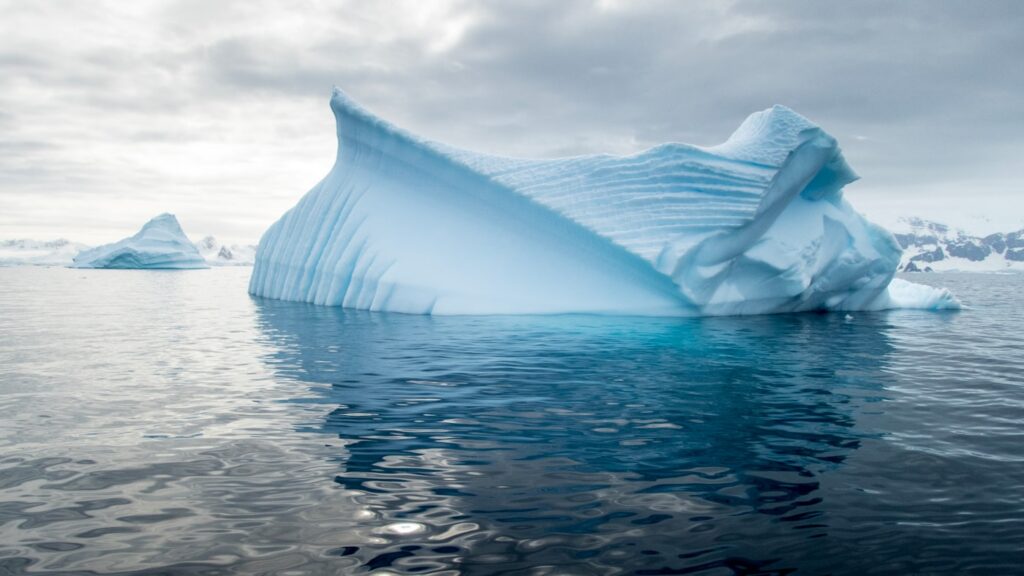
Antarctica’s extreme climate prevents permanent settlement. Winter temperatures plummet to -89°C (-128°F). Coastal areas experience constant winds and storms.
The continent receives minimal sunlight during winter months. Some areas endure complete darkness for four months annually. These conditions severely impact human psychology and health.
Logistical Constraints
Major Settlement Obstacles:
- Food and fuel must be imported by ship or plane
- Supply deliveries are impossible during winter storms
- Emergency evacuations become extremely difficult
- Construction materials are unavailable locally
- Transportation costs are prohibitively expensive
Treaty Restrictions
The Antarctic Treaty prohibits military activities and mineral exploitation. All activities must serve scientific research purposes. The treaty’s demographic provisions strictly regulate human presence on the continent.
Countries cannot establish permanent territorial claims through settlement. The treaty preserves Antarctica as a scientific preserve for all humanity.
Life Challenges in Antarctica
Psychological Impact
Antarctic residents face significant mental health challenges. Winter-over syndrome affects many station personnel. Symptoms include depression, irritability, and sleep disturbances.
Common Psychological Effects:
- Social isolation and confined living spaces
- Lack of privacy and personal space
- Monotonous environment and limited activities
- Separation from family and friends
- Disrupted sleep patterns due to light cycles
Physical Demands
Living in Antarctica requires exceptional physical and mental preparation. Personnel undergo extensive medical and psychological screening. Only the most resilient individuals qualify for extended stays.
Daily life involves constant adaptation to extreme conditions. Simple tasks become complicated in sub-zero temperatures. Equipment failures can create life-threatening situations.
The Future of Human Presence in Antarctica
Current research suggests Antarctica will remain uninhabitable for permanent settlement. Climate change may moderate some conditions over decades. However, the continent will likely stay too harsh for conventional cities.
Scientific research will continue expanding in Antarctica. New technologies may improve living conditions at research stations. But permanent settlement remains scientifically and economically unfeasible.
The Antarctic Treaty faces renewal discussions in coming decades. Current protections will likely continue prioritizing scientific research over commercial development.
Conclusion
No one lives in Antarctica permanently. The continent supports only temporary scientific personnel at research stations. Extreme weather, isolation, and international treaty restrictions prevent permanent settlement.
Antarctica’s unique environment serves global scientific research. The continent remains Earth’s last great wilderness, preserved for future generations. This frozen frontier continues challenging human endurance while advancing our understanding of climate and biology.
FAQs
Q: Are there any permanent residents in Antarctica? A: No, Antarctica has no permanent human population. Only temporary research personnel stay for months or years.
Q: What are the largest settlements in Antarctica? A: McMurdo Station (USA) is the largest with up to 1,000 people. Villa Las Estrellas and Esperanza Base are the only civilian settlements.
Q: Can families live in Antarctica? A: Only in two civilian settlements: Villa Las Estrellas (Chile) and Esperanza Base (Argentina). These host very small numbers of families.
Q: How long do people stay in Antarctica? A: Typically 6-15 months for research personnel. Some specialists may stay up to two years maximum.
Q: Why can’t people live permanently in Antarctica? A: Extreme climate, complete isolation, prohibitive costs, and international treaty restrictions make permanent settlement impossible.
