
10 Travel Scams You Need to Know (Before You Get Fooled)
Nobody wants to think they’ll fall for a scam while traveling, but even the savviest travelers get tricked sometimes. Scammers target tourists because they know they’re distracted, unfamiliar with local customs, and often too polite to question something suspicious. From fake taxis to sneaky restaurant tricks, here are 10 of the most common travel scams—and how to avoid them.
1. The “Broken Taxi Meter” Trick
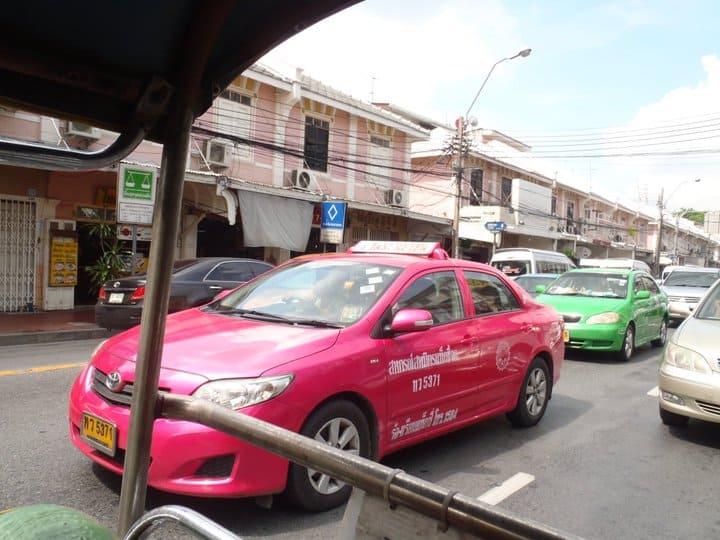
You hop into a taxi, and the driver casually tells you the meter is broken—then charges you an absurd amount when you reach your destination. This scam is common in cities where taxis aren’t regulated or tourists don’t know the standard fare.
💡 How to Avoid It:
- Use ride-hailing apps like Uber or Bolt whenever possible.
- Ask for the fare upfront or research average prices before your trip.
- Only take official taxis with working meters—if the driver refuses, get out.
2. The “Free Bracelet” or “Friendship Gift” Scam

A friendly local approaches you, ties a “free” bracelet or necklace around your wrist, and then demands money. Sometimes, an accomplice will show up to intimidate you into paying.
💡 How to Avoid It:
- Don’t accept anything from strangers, even if they insist it’s free.
- Walk away quickly if someone tries to put something on you.
3. The Fake Police Officer Shakedown
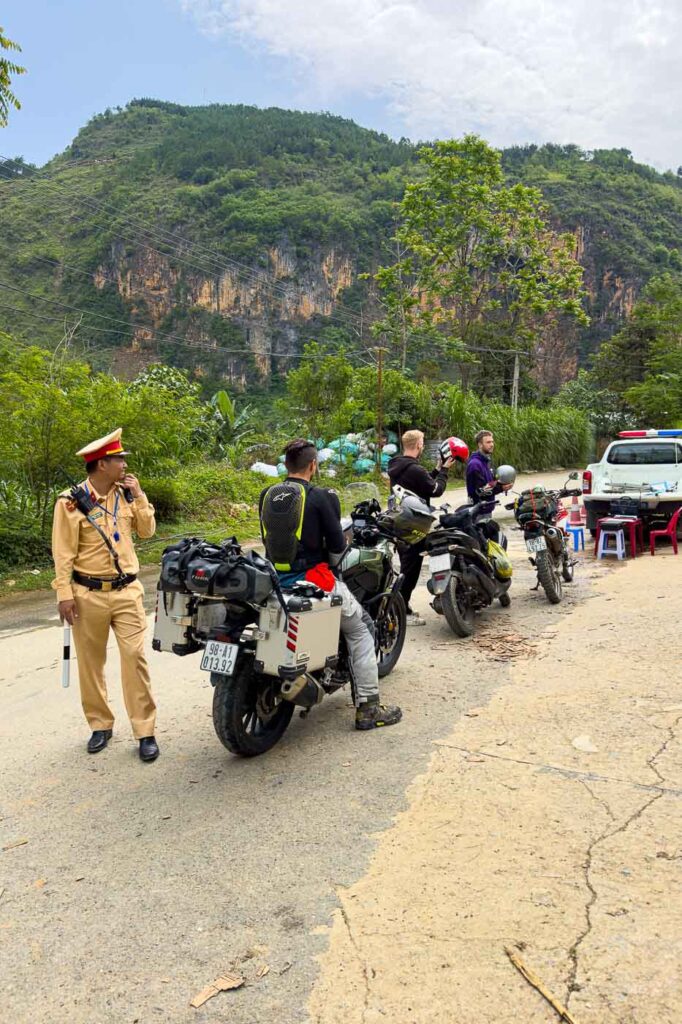
Someone (often an accomplice) offers to sell you something illegal (like drugs), and moments later, a “police officer” appears, demanding you pay a fine on the spot. In some cases, scammers claim your ID is “suspicious” and demand a bribe.
💡 How to Avoid It:
- Never hand over your passport unless you’re at an official police station.
- If approached, ask to see official ID and say you’ll go to the nearest station.
- Don’t buy anything sketchy from strangers.
4. The “Overpriced Restaurant Bill” Trick

You enjoy a meal, only to get a bill with mystery charges (extra service fees, unrequested appetizers, or menu prices suddenly changing). Some places inflate prices for tourists or “forget” to list prices on the menu.
💡 How to Avoid It:
- Always check the menu prices before ordering.
- Ask if bread, water, or appetizers are free before accepting them.
- If overcharged, politely question it—some places will back down.
5. The Fake Hotel Call Scam

You check into your hotel, and later that night, the “front desk” calls saying there’s a problem with your credit card and asks you to confirm your details over the phone. The catch? It’s a scammer, and they’re about to drain your bank account.
💡 How to Avoid It:
- Never give your credit card info over the phone.
- If you get a call, hang up and go to the front desk in person.
6. The “Spill on Your Shirt” Distraction

A stranger “accidentally” spills something on you—mustard, soda, even bird poop—then apologizes and helps clean you up. While you’re distracted, their accomplice picks your pockets or steals your bag.
💡 How to Avoid It:
- Ignore strangers who get too close, even if they seem helpful.
- Secure your valuables and keep a hand on your bag in crowded places.
7. The “Fake Wi-Fi Network” Scam

You connect to an open Wi-Fi network at a café or airport, not realizing it’s a hacker’s hotspot. They can steal your passwords, credit card info, and personal data without you knowing.
💡 How to Avoid It:
- Only use password-protected Wi-Fi.
- Use a VPN (Virtual Private Network) when connecting to public Wi-Fi.
8. The “Closed Attraction” Scam

A “helpful” local tells you the famous temple, museum, or attraction you came to see is closed today—but lucky for you, they can take you somewhere else! Spoiler: It’s a scam leading you to an overpriced shop or fake tour.
💡 How to Avoid It:
- Always check opening hours online before you go.
- Ignore people who try to steer you away—walk to the entrance and check yourself.
9. The Fake Charity or Donation Scam
Someone approaches with a clipboard for a petition or charity donation, but if you sign, they’ll demand a cash donation (or worse, pickpocket you while you’re distracted).
💡 How to Avoid It:
- Politely decline and walk away.
- If you want to donate, do it through official organizations.
10. The “Bump and Grab” Pickpocket Trick
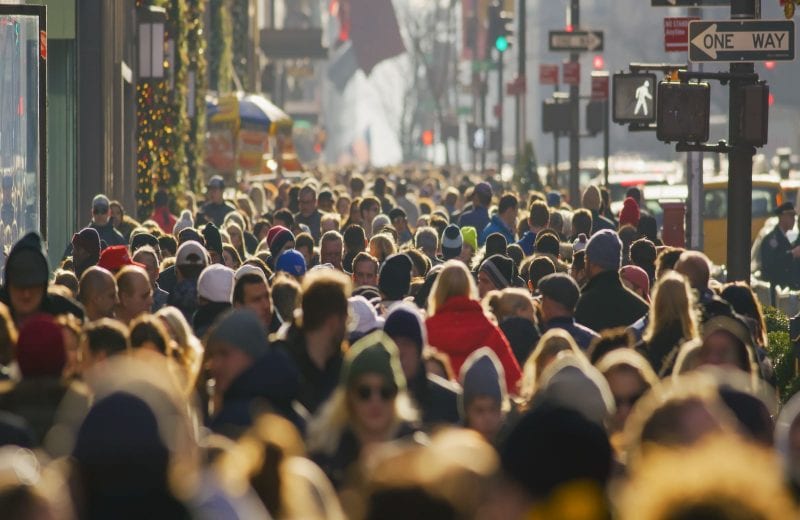
A crowded market, metro station, or festival—suddenly, someone bumps into you, causing a distraction. Before you realize it, your wallet, phone, or passport is gone.
💡 How to Avoid It:
- Wear a money belt or crossbody bag with a zipper.
- Keep valuables in a front pocket or secured pouch.
- Stay alert in crowds, especially in touristy areas.
